

This page contains affiliate links. As an Amazon Associate I earn from qualifying purchases. Every book on this page was chosen because we have read it, not because of the link.
Hi, I’m Moeno, a bookseller in Tokyo.
Every October, when the Nobel Prize in Literature is announced, bookstores in Japan hold their breath for one name: Haruki Murakami. (He hasn’t won — yet.) It’s a good moment to look at the writers connected to Japan who have won, and at what to actually read.
Let me be honest from the start: these books are hard. Kawabata’s Snow Country and The Dancing Girl of Izu are required reading in Japanese junior high schools, and I sometimes think that’s exactly why so many Japanese people grow up disliking serious literature.
Japanese readers don’t find Japanese literature easy either. And even in our own language, we still catch our breath at how beautiful it can be.— the motto of this series
We only recommend books we have actually read.
Every book recommended here has been read, start to finish, by me or my fellow booksellers. When I mention a well-known book I haven’t read yet, I mark it Not yet read, and we’d rather tell you that than pretend.

About me|Moeno
I’m a bookseller in my thirties in Japan. During the pandemic, I left my company job and started a small online bookstore devoted to hand-picked books. Today I also have a shop in Ichigaya, Tokyo.
A homestay in Seattle when I was ten made me dream of the world beyond Japan. At twenty I spent a year studying in London; later I worked for a French company, and recently I got married in Paris. I love living in Japan while feeling close to the rest of the world.
That’s why I started this blog: to share the beauty of Japanese literature with as many readers outside Japan as I can. My favorite hobby? Reading wherever I’m traveling.
If you like the books in this article, please subscribe to my YouTube channel, where I talk about books too.
 楽しい本と書店員📖小説ご紹介 / TOKYO BOOKSTORE GIRLS TUBEBooksellers in Tokyo introducing novels that are easy to read and fun to talk about.youtube.com/@chapters.bookstoreSubscribe
- 10 books to start with, at a glance
- Japanese Nobel Prize in Literature winners
- Yasunari Kawabata (1968)
- Kenzaburō Ōe (1994)
- Is Kazuo Ishiguro Japanese? (2017)
- Han Kang (2024): the first Asian woman to win
- Asian Nobel Prize in Literature winners
- Great Japanese writers who never won
- Who will be the next Japanese Nobel laureate?
- Japan, Asia and the Nobel Prize in Literature: FAQ
- Before you go: the value of not understanding
- More from a Tokyo bookseller
10 books to start with, at a glance
| Cover | Book | Why read it | Get it |
|---|---|---|---|
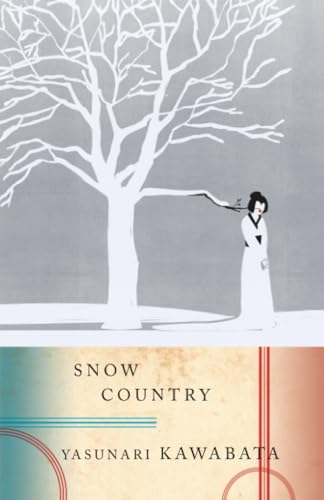 | 01Snow CountryYasunari Kawabata | Kawabata’s masterpiece (Nobel 1968) | Get your copy |
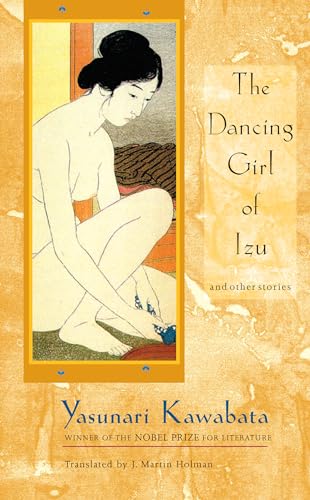 | 02The Dancing Girl of Izu and Other StoriesYasunari Kawabata | Kawabata in one short sitting | Get your copy |
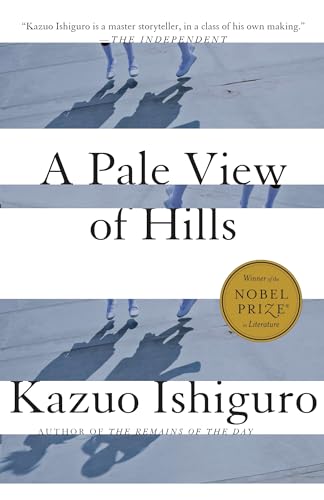 | 03A Pale View of HillsKazuo Ishiguro | Ishiguro’s debut, set in Nagasaki | Get your copy |
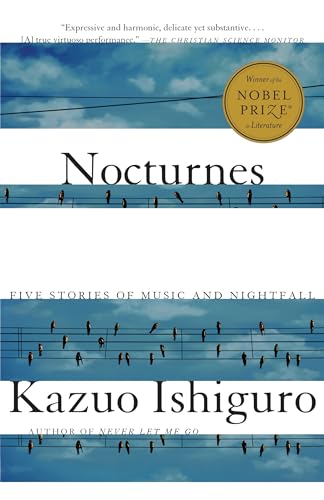 | 04NocturnesKazuo Ishiguro | Ishiguro’s music-and-night stories | Get your copy |
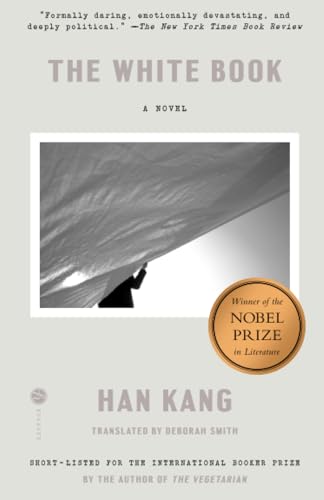 | 05The White BookHan Kang | Han Kang’s gentlest book | Get your copy |
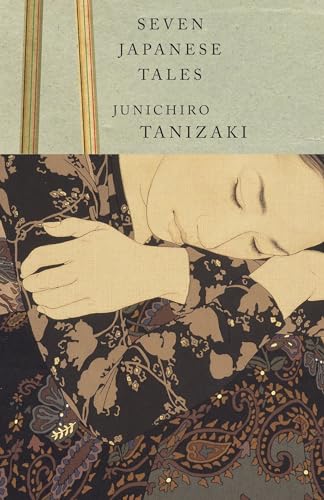 | 06Seven Japanese TalesJun’ichiro Tanizaki | Tanizaki, nominated but never won | Get your copy |
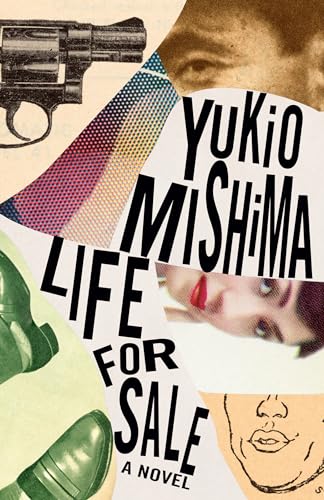 | 07Life for SaleYukio Mishima | Mishima at his most fun | Get your copy |
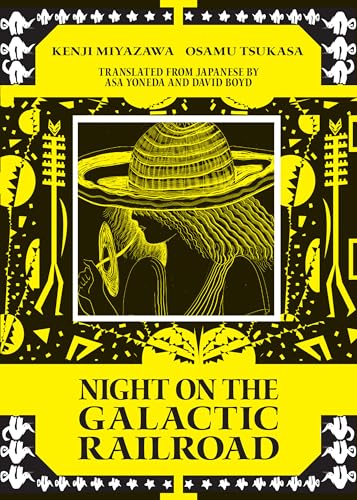 | 08Night on the Galactic RailroadKenji Miyazawa | Japan’s best-loved fantasy classic | Get your copy |
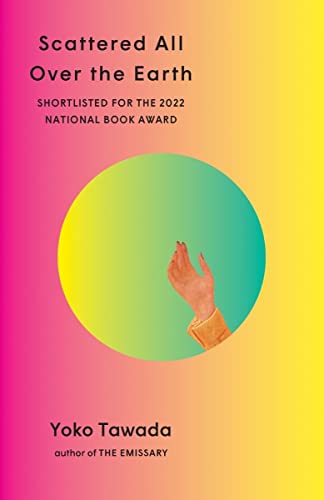 | 09Scattered All Over the EarthYoko Tawada | Yoko Tawada, a future laureate? | Get your copy |
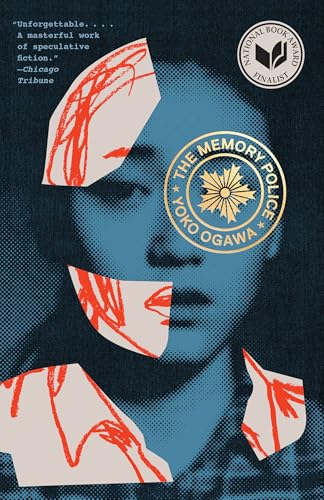 | 10The Memory PoliceYoko Ogawa | Yoko Ogawa, a future laureate? | Get your copy |
Japanese Nobel Prize in Literature winners
Two writers born and writing in Japan have won the Nobel Prize in Literature. A third, Kazuo Ishiguro, was born in Japan and writes in English.
| Year | Laureate | Where to start |
|---|---|---|
| 1968 | Yasunari KawabataJapan’s first Nobel laureate in literature | Snow Country |
| 1994 | Kenzaburō ŌeJapan’s second laureate | A Personal Matter |
| 2017 | Kazuo IshiguroBorn in Nagasaki, British, writes in English | A Pale View of Hills |
| 2024 | Han KangSouth Korea; the first Asian woman to win | The White Book |
The 2026 prize went to the Canadian poet Anne Carson, announced on October 8. So the wait for the next Japanese laureate goes on — I’ll come back to who might be next at the end.
Yasunari Kawabata (1968)
Kawabata was the first Japanese writer to win the Nobel Prize in Literature. The Swedish Academy honored him “for his narrative mastery, which with great sensibility expresses the essence of the Japanese mind.”
Nobel 1968 · Classic · Hot-spring town
Snow Country
Original Japanese title: 雪国(1935〜1948)
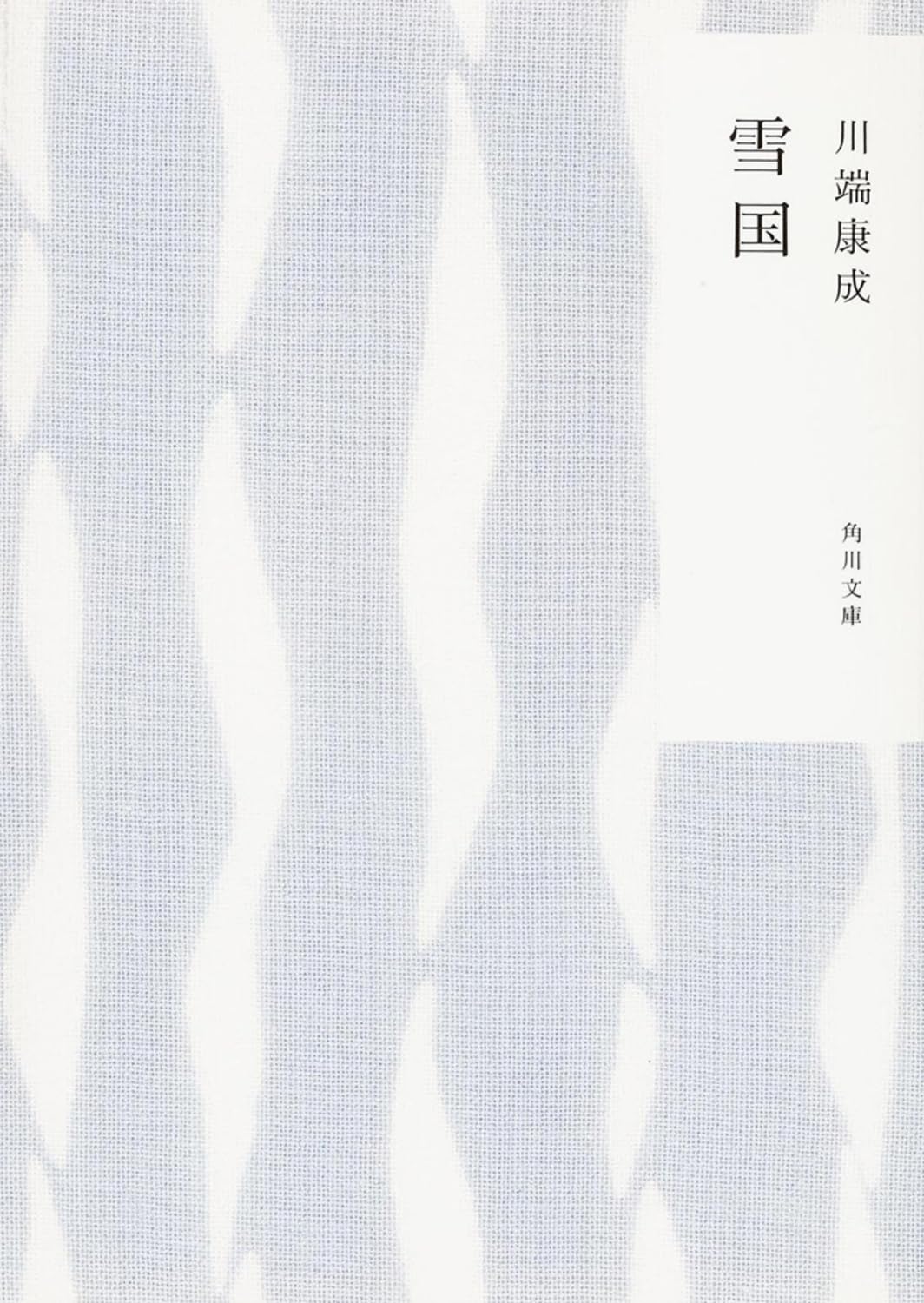
A wealthy, idle man from Tokyo keeps returning to a hot-spring town deep in the snowy mountains, drawn to a geisha named Komako who loves him far more openly than he can love her back.
My notesAlmost every Japanese person knows the opening by heart: “The train came out of the long tunnel into the snow country.” It’s a book that tastes completely different when you read it again as an adult. Even for Japanese readers, it’s hard — and it’s lovely. Read it slowly, and let the silences between the lines do the work.
Get your copyNobel 1968 · Short · First love
The Dancing Girl of Izu and Other Stories
Original Japanese title: 伊豆の踊子(1926)
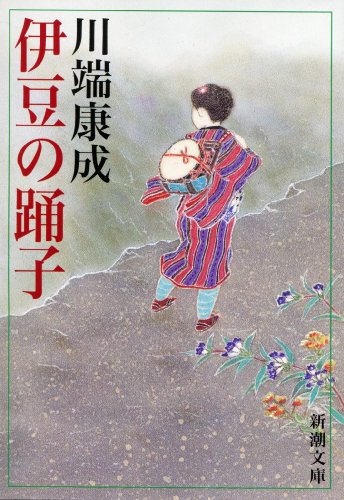
A lonely young student on a walking trip through the Izu Peninsula falls in with a troupe of traveling performers, and with its youngest member, a dancer. It’s a short story, perfect if you want to try Kawabata in a single sitting.
My notesThere’s a scene at an outdoor bath, and the awkwardness of having seen something you shouldn’t comes straight through the words. Before I knew it, I was standing on the side of the boy in love. If Snow Country feels like too much at first, start here.
Get your copyKenzaburō Ōe (1994)
The Swedish Academy praised Ōe for creating, “with poetic force,” an imagined world where life and myth meet to show the human predicament today. Much of his work grew out of his life with his son Hikari, who was born with a brain condition and became a composer.
I haven’t read Ōe yet myself, so I’ll simply point you to where most readers start. If you want to try him, the novel most often suggested as a starting point in English is A Personal MatterNot yet read (1964), about a young father facing the birth of his disabled son.
Is Kazuo Ishiguro Japanese? (2017)
This is one of the most searched questions about the prize, and the answer is: he was born in Japan, but he is a British writer. Ishiguro was born in Nagasaki in 1954 and moved to England with his family at the age of five. He writes in English, and he is a British citizen. The Swedish Academy cited his “novels of great emotional force” that have “uncovered the abyss beneath our illusory sense of connection with the world.”
For Japanese readers, he is a special case: we read him in translation, from English into Japanese, even though his first novels are set in Japan.
Nobel 2017 · Nagasaki · Debut
A Pale View of Hills
Original Japanese title: 遠い山なみの光(1982)
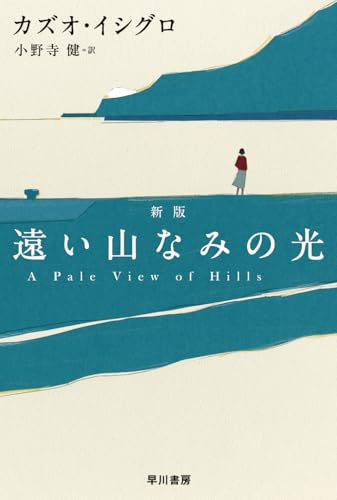
Etsuko, a Japanese woman living alone in England after her elder daughter’s suicide, finds herself remembering a summer in postwar Nagasaki — and a woman and a little girl she knew there. The more she remembers, the less you trust her memories.
Why read itThis was Ishiguro’s first novel, and it’s set in the city where he was born. It’s short, quiet and unsettling, and you’ll want to go back to the first page the moment you finish. If you’re planning a trip to Nagasaki, it’s a haunting book to bring with you. In 2025 it was also made into a Japanese film directed by Kei Ishikawa, which premiered at the Cannes Film Festival.
Get your copyNobel 2017 · Music · Five stories
Nocturnes
Original Japanese title: 夜想曲集:音楽と夕暮れをめぐる五つの物語(2009)
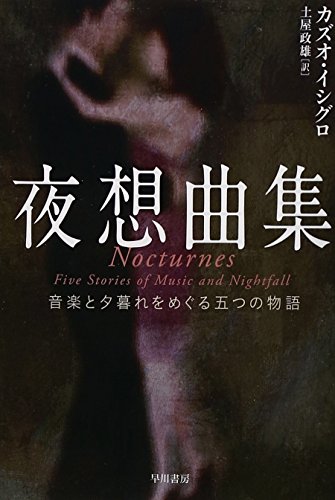
Five linked stories about music and nightfall, from a guitarist playing in a Venice square to a jazz saxophonist recovering from plastic surgery in a Beverly Hills hotel.
Why read itYou’d expect five stories about “music and night” to be romantic. They’re actually full of irony and dark humor. I was completely won over by stories that refuse to go the way you expect, and by characters whose relationships always feel a little precarious. It’s the easiest way into Ishiguro if a full novel feels like a commitment.
Get your copyHan Kang (2024): the first Asian woman to win
The 2024 prize went to South Korea’s Han Kang “for her intense poetic prose that confronts historical traumas and exposes the fragility of human life.” She is the first Asian woman to win the Nobel Prize in Literature, and her win sent many readers in Japan to the bookstore, too.
Nobel 2024 · Prose poetry · Grief
The White Book
Original Japanese title: すべての、白いものたちの(2016)
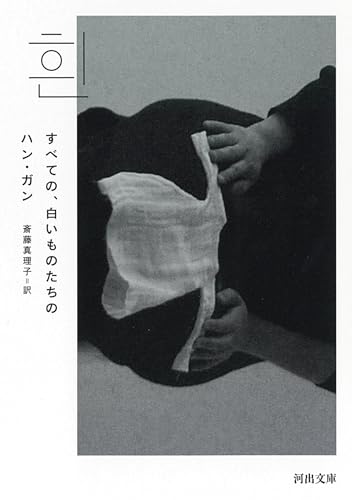
A woman in a foreign city writes a list of white things — swaddling cloth, salt, snow, a white dog, a shroud — and through them, quietly mourns the older sister who died two hours after birth, before she herself was born.
My notesI’ve only read The White Book; her other novels were too difficult for me. Written in short fragments, some only a few lines long, it’s the gentlest place to begin with Han Kang. You can read it in an afternoon, and think about it for much longer.
Get your copyHan Kang is also the first South Korean writer to win the Nobel Prize in Literature, and only the second Korean Nobel laureate in any category, after former president Kim Dae-jung (Peace, 2000). Her best-known novel in English is The VegetarianNot yet read, which won the International Booker Prize in 2016.
Asian Nobel Prize in Literature winners
Japan, Korea, China and India all have Nobel laureates in literature. Here are the winners from East and South Asia, including Japan-born Kazuo Ishiguro, with a book to start with for each. (I’ve marked the ones I haven’t read yet.)
| Year | Laureate | Where to start |
|---|---|---|
| 1913 | Rabindranath TagoreIndia · the first Asian Nobel laureate in literature | GitanjaliNot yet read |
| 1968 | Yasunari KawabataJapan · Japan’s first laureate | Snow Country |
| 1994 | Kenzaburō ŌeJapan | A Personal MatterNot yet read |
| 2000 | Gao XingjianBorn in China; a French citizen | Soul MountainNot yet read |
| 2012 | Mo YanChina | Red SorghumNot yet read |
| 2017 | Kazuo IshiguroBorn in Nagasaki; a British writer | A Pale View of Hills |
| 2024 | Han KangSouth Korea · the first Korean and the first Asian woman | The White Book · The VegetarianNot yet read |
That’s only a handful of Asian winners in more than a century of the prize. Which is exactly why, every October, so many readers across Asia are waiting to see whether the next name will be one of ours.
Great Japanese writers who never won
Some of the writers Japanese readers revere most never received the prize. These are the ones I’d put in your hands first.
Classic · Obsession · Tanizaki
Seven Japanese Tales
Original Japanese title: 春琴抄(1933)
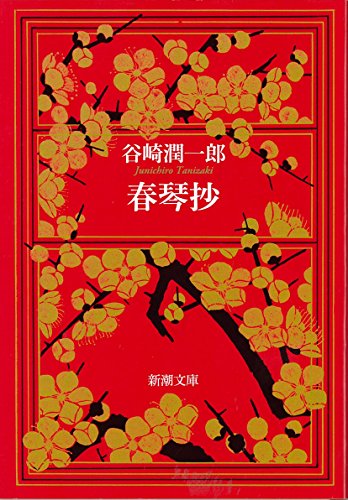
Shunkin, a beautiful, blind and ferociously proud master of the shamisen, and Sasuke, the servant who devotes his whole life to her. Is it devotion, or obsession? The answer seems to change depending on how old you are when you read it.
My notesWhen I first read it in high school, I felt I had run into something tremendous. Rereading it as an adult, I found I could finally take it in, little by little. In Japanese, Tanizaki writes this story with almost no punctuation or paragraph breaks, and the contrast between his calm narration and the violence of the love is breathtaking. Tanizaki was nominated for the Nobel Prize several times before his death in 1965. In English, you’ll find “A Portrait of Shunkin” in the collection Seven Japanese Tales.
Get your copyClassic · Black comedy · Mishima
Life for Sale
Original Japanese title: 命売ります(1968)
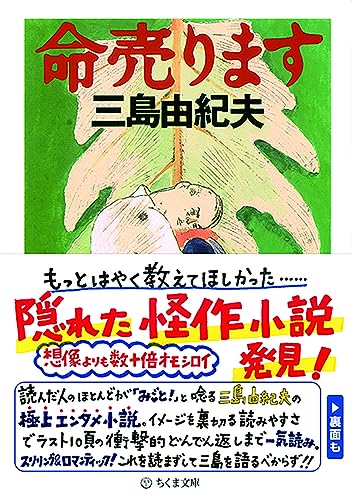
After a failed suicide attempt, a young Tokyo copywriter places a newspaper ad offering his life for sale, to be used however the buyer wishes. The people who answer it drag him into one bizarre, dangerous job after another.
Why read itMishima is one of the most famous names in Japanese literature, and his reputation can make him feel intimidating. This book cheerfully breaks that expectation: it’s astonishingly readable and simply fun. There are no smartphones and the city is much darker than today, yet it never feels old — if anything, it feels strangely modern. Partway through, I even felt a small thrill of pride: I’m actually enjoying Mishima. Mishima was also nominated for the Nobel Prize in the 1960s. He died in 1970, two years after this novel appeared.
Get your copyClassic · Fantasy · Stars
Night on the Galactic Railroad
Original Japanese title: 銀河鉄道の夜(1934, posthumous)
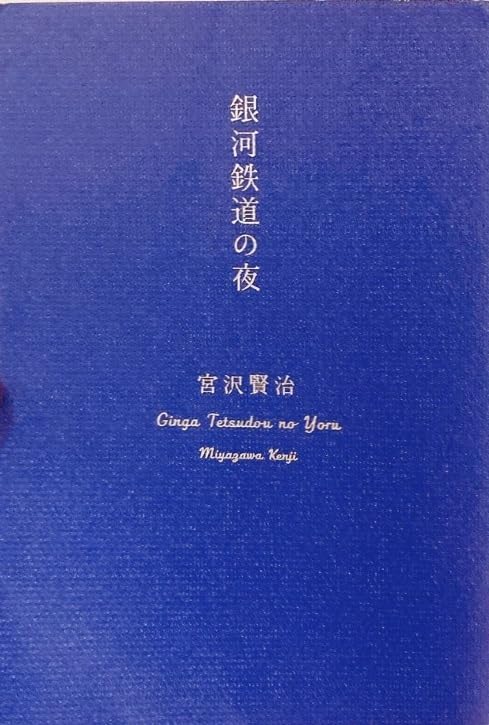
On the night of a star festival, a lonely boy named Giovanni finds himself aboard a train traveling across the Milky Way — with his friend Campanella beside him.
My notesMany Japanese children meet this story at school. I only read it for the first time as an adult, and my first reaction was surprise that something this difficult had ever been in a textbook. When I finished, I went looking for other readers’ interpretations, and before I knew it I was reading it again. Miyazawa was barely recognized while he was alive and died at just 37; he became famous only after his death, so his life is sometimes compared to Van Gogh’s. It may be a book that’s better enjoyed as an adult.
Get your copyWho will be the next Japanese Nobel laureate?
Nobody knows, of course. But these are the three names I hear most in Japan — and the ones I’d most love to see.
- Haruki Murakami. The perennial favorite. If you’re new to him, see where to start with Haruki Murakami.
- Yoko Tawada. She writes in both Japanese and German, and her novel The EmissaryNot yet read won the U.S. National Book Award for Translated Literature in 2018.
- Yoko Ogawa. Her novel The Memory Police was a finalist for the International Booker Prize in 2020.
Who’s next? · Language · Road trip
Scattered All Over the Earth
Original Japanese title: 地球にちりばめられて(2018)
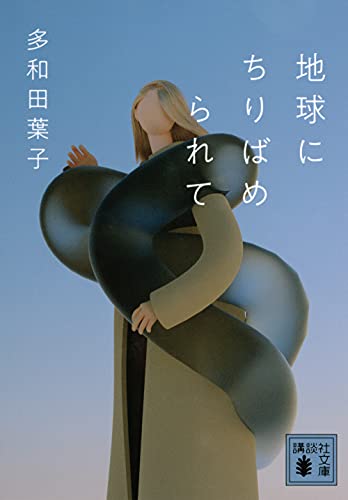
Hiruko, a young woman studying in Europe, discovers that her home country — an island nation that sounds a lot like Japan — has vanished. To survive, she invents her own language, and sets out across Europe looking for anyone else who speaks her mother tongue.
My notesTawada is a true Japanese-language geek, always chasing how deep and how playful words can be. Her writing is full of a clever woman’s kind of sexiness, and she’s exactly how I’d like to grow older. Scattered All Over the Earth is her masterpiece.
Get your copyWho’s next? · Dystopia · Quiet
The Memory Police
Original Japanese title: 密やかな結晶(1994)
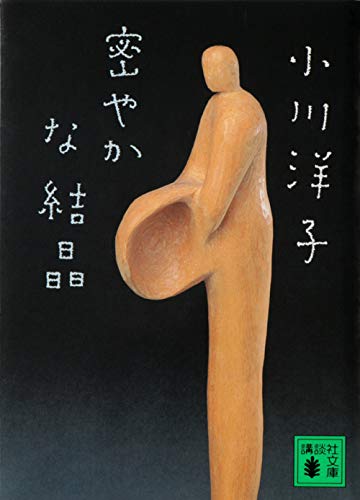
On an unnamed island, things begin to disappear — birds, roses, photographs — and once they’re gone, people forget they ever existed. A young novelist hides her editor, one of the few who cannot forget, from the Memory Police.
My notesEven for Japanese readers reading in their mother tongue, Ogawa’s language is so beautiful it makes us nervous — like chasing words that glide like ice, so delicate and finite they might melt. If she wins the Nobel Prize, I think the world of Japanese literature will open up to so many more readers.
Get your copyFor more on these two Yokos and the other women reshaping Japanese fiction, see Japanese women writers to read in English.
Japan, Asia and the Nobel Prize in Literature: FAQ
How many Japanese authors have won the Nobel Prize in Literature?
Two writers born and writing in Japan: Yasunari Kawabata (1968) and Kenzaburō Ōe (1994). Kazuo Ishiguro (2017) was born in Nagasaki but is a British writer who writes in English.
Is Kazuo Ishiguro Japanese?
He was born in Nagasaki, Japan, in 1954 and moved to England at the age of five. He is a British citizen and writes in English, so he is usually described as a British author born in Japan.
Which Kawabata book should I read first?
Snow Country is his most famous novel. If you’d like something shorter, start with the title story of The Dancing Girl of Izu.
Has Haruki Murakami won the Nobel Prize?
No. He is often named as a favorite, but he has not won the Nobel Prize in Literature.
Who was the first Asian woman to win the Nobel Prize in Literature?
Han Kang of South Korea, in 2024. The White Book is a short, gentle place to start.
Who was the first Korean writer to win the Nobel Prize in Literature?
Han Kang of South Korea, in 2024. She is also the first Asian woman to win the prize in literature.
Which Asian writers have won the Nobel Prize in Literature?
From East and South Asia: Rabindranath Tagore (India, 1913), Yasunari Kawabata (Japan, 1968), Kenzaburō Ōe (Japan, 1994), Gao Xingjian (born in China, 2000), Mo Yan (China, 2012), Japan-born Kazuo Ishiguro (2017) and Han Kang (South Korea, 2024).
Who was the first Asian to win the Nobel Prize in Literature?
Rabindranath Tagore of India, in 1913.
Who won the Nobel Prize in Literature in 2026?
The Canadian poet and classicist Anne Carson. The prize was announced on October 8, 2026.
Are these books hard to read?
Some of them, yes — even for Japanese readers. Start with the shorter books on this page: The Dancing Girl of Izu, Nocturnes, The White Book or Life for Sale.
Before you go: the value of not understanding
I think the value of literature lies in exactly this difficulty. You treasure whatever you managed to understand this time, and gather it up. When you understand more of a book, maybe it means you’ve grown older, gained experience, and found more words.
Whenever I read a great book, I think: of course the writer wouldn’t want to be understood in a single reading. That’s not how it was written. It teaches me that the people who win the Nobel Prize are the ones who give their lives to literature.
It’s hard for us too.
And it still takes our breath away.
More from a Tokyo bookseller
 Japanese Books in English: 12 Best Novels to Start WithThe 12 best Japanese novels to read in English, and where to go next.
 Books Set in Japan: 42 Novels to Read Before Your Trip42 novels set in Japan, mapped by region, with real places to visit on your trip.
 Japanese Literature: Where to StartA Tokyo bookseller’s guide to Japanese literature, sorted by mood: classics, comfort, page-turners and more.
 Japanese Healing Fiction: 9 Cozy NovelsCozy Japanese novels to read when you’re tired, including books like Before the Coffee Gets Cold.
* Publication details are taken from the English-language publishers’ pages and library records. Prices and availability on Amazon may change.
* As an Amazon Associate I earn from qualifying purchases. If you buy through a link on this page, I may earn a small commission at no extra cost to you. The order and selection of books are not influenced by advertising.