

This page contains affiliate links. As an Amazon Associate I earn from qualifying purchases. Every book on this page was chosen because we have read it, not because of the link.
Hi, I’m Moeno, a bookseller in Tokyo.
Japanese healing fiction — iyashi-kei novels, as we’d call them in Japan — has become one of the fastest-growing corners of translated fiction in English. Most of the lists you’ll find online are written from outside Japan. This one is written from a bookstore in Tokyo, and every book on it is one we have actually read.
Japanese readers don’t find Japanese literature easy either. And even in our own language, we still catch our breath at how beautiful it can be.— the motto of this series
Healing fiction is the gentlest door into that world. They’re the books to reach for when you’re tired.
We only recommend books we have actually read.
Every book recommended here has been read, start to finish, by me or my fellow booksellers. When I mention a well-known book I haven’t read yet, I mark it Not yet read, and we’d rather tell you that than pretend.

About me|Moeno
I’m a bookseller in my thirties in Japan. During the pandemic, I left my company job and started a small online bookstore devoted to hand-picked books. Today I also have a shop in Ichigaya, Tokyo.
A homestay in Seattle when I was ten made me dream of the world beyond Japan. At twenty I spent a year studying in London; later I worked for a French company, and recently I got married in Paris. I love living in Japan while feeling close to the rest of the world.
That’s why I started this blog: to share the beauty of Japanese literature with as many readers outside Japan as I can. My favorite hobby? Reading wherever I’m traveling.
If you like the books in this article, please subscribe to my YouTube channel, where I talk about books too.
 楽しい本と書店員📖小説ご紹介 / TOKYO BOOKSTORE GIRLS TUBEBooksellers in Tokyo introducing novels that are easy to read and fun to talk about.youtube.com/@chapters.bookstoreSubscribe
- 17 Japanese healing fiction books at a glance
- What is Japanese healing fiction?
- If you loved Before the Coffee Gets Cold, start here
- 9 cozy Japanese novels, reviewed by a bookseller
- 8 more Japanese healing novels readers around the world love
- How to choose your first Japanese healing novel
- Japanese healing fiction: FAQ
- Before you go
- More from a Tokyo bookseller
17 Japanese healing fiction books at a glance
Short on time? Here’s the whole list: 9 books I’ve read, plus 8 global favorites I haven’t read yet (marked “Not yet read”). Tap a title to jump to it.
| Cover | Book | Best for | Get it |
|---|---|---|---|
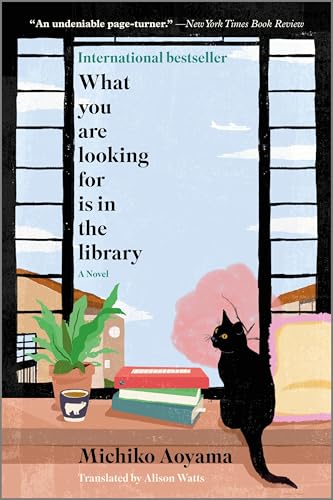 | 01What You Are Looking For Is in the LibraryMichiko Aoyama | Fans of Before the Coffee Gets Cold; anyone who loves books about books | Get your copy |
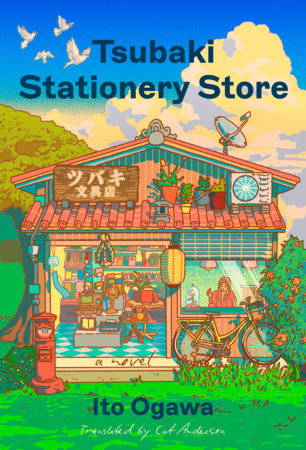 | 02Tsubaki Stationery StoreIto Ogawa | A slow, seasonal read set in Kamakura | Get your copy |
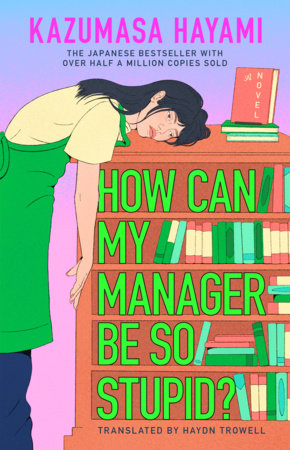 | 03How Can My Manager Be So Stupid?Kazumasa Hayami | A laugh after a long week at work | Get your copy |
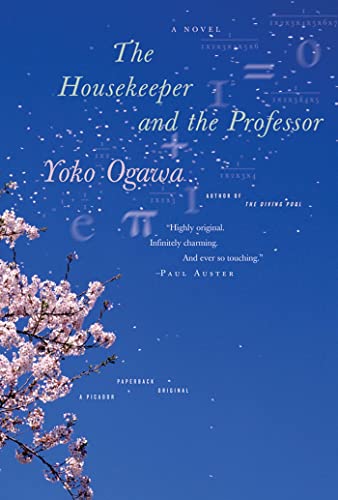 | 04The Housekeeper and the ProfessorYoko Ogawa | A quiet, tender found-family story | Get your copy |
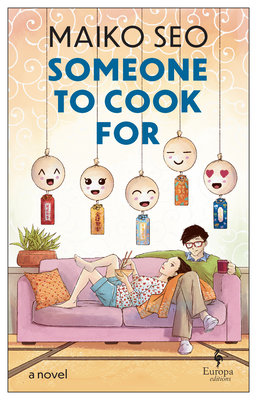 | 05Someone to Cook ForMaiko Seo | Big-hearted family fiction | Get your copy |
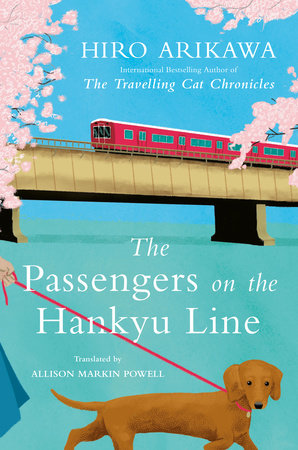 | 06The Passengers on the Hankyu LineHiro Arikawa | Linked short stories you can read on a commute | Get your copy |
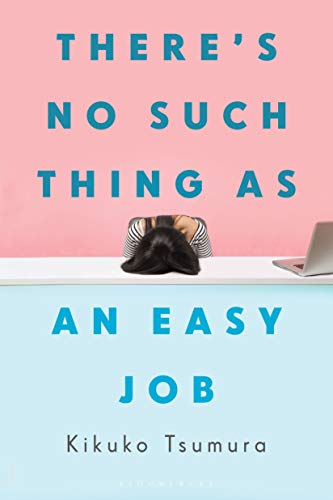 | 07There’s No Such Thing as an Easy JobKikuko Tsumura | Burnout, and gently finding your way back | Get your copy |
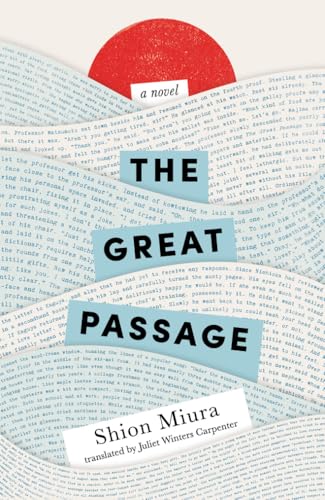 | 08The Great PassageShion Miura | Readers who love words and long, patient work | Get your copy |
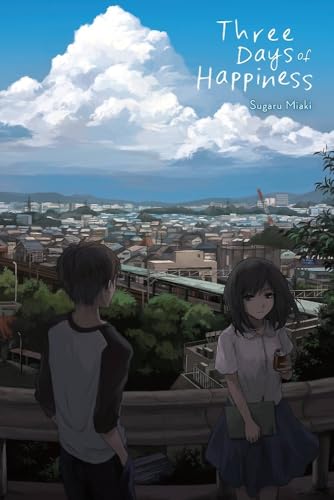 | 09Three Days of HappinessSugaru Miaki | A magical premise with a bittersweet heart | Get your copy |
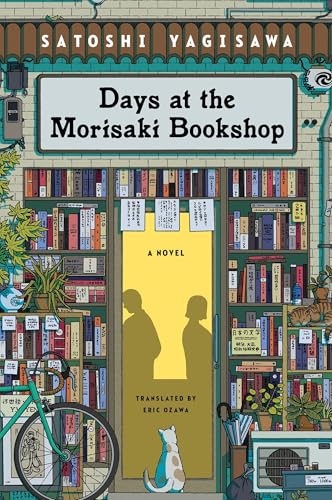 | 10Days at the Morisaki BookshopSatoshi Yagisawa | Not yet read · a secondhand bookshop in Tokyo | Get your copy |
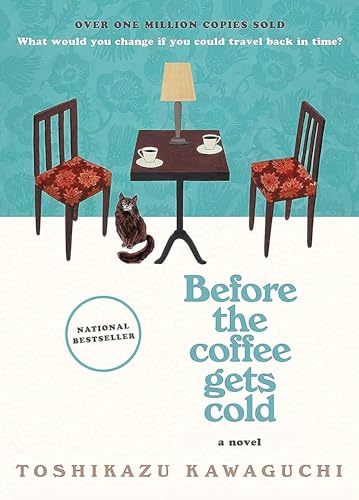 | 11Before the Coffee Gets ColdToshikazu Kawaguchi | Not yet read · the time-travel café that started it all | Get your copy |
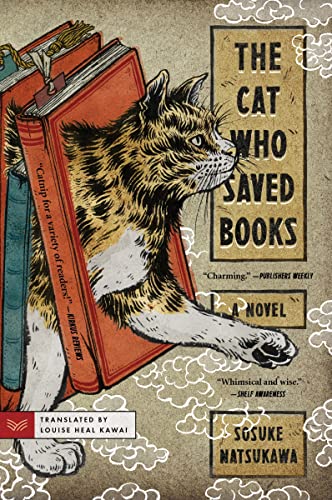 | 12The Cat Who Saved BooksSosuke Natsukawa | Not yet read · a talking cat and a bookshop | Get your copy |
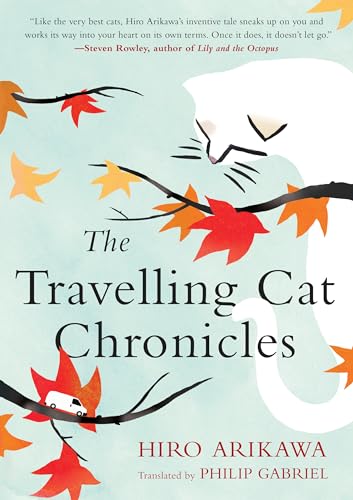 | 13The Travelling Cat ChroniclesHiro Arikawa | Not yet read · a road trip with a cat | Get your copy |
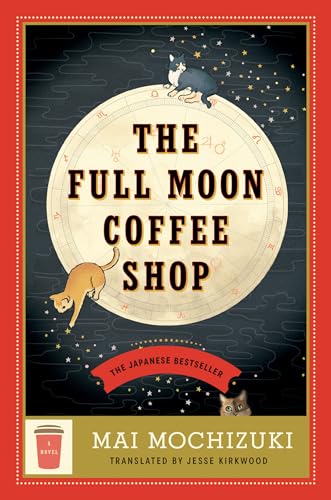 | 14The Full Moon Coffee ShopMai Mochizuki | Not yet read · a café run by cats on full-moon nights | Get your copy |
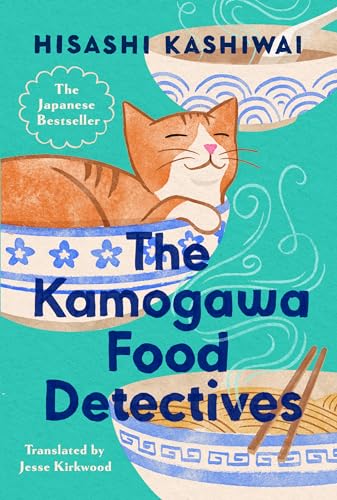 | 15The Kamogawa Food DetectivesHisashi Kashiwai | Not yet read · a Kyoto diner that recreates lost dishes | Get your copy |
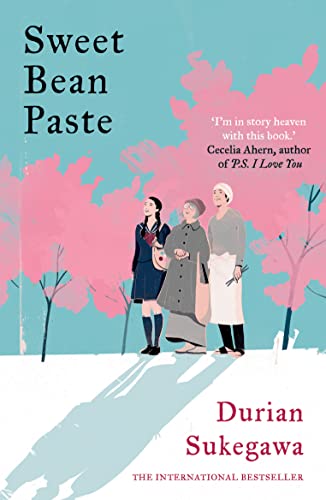 | 16Sweet Bean PasteDurian Sukegawa | Not yet read · a dorayaki stall and an unlikely friendship | Get your copy |
 | 17The Lantern of Lost MemoriesSanaka Hiiragi | Not yet read · a photo studio between life and death | Get your copy |
What is Japanese healing fiction?
In Japan, iyashi means healing or soothing, and iyashi-kei describes anything that calms you down — a cat video, a hot spring, a warm novel. Japanese healing fiction usually has a few things in common:
- A small, specific place. A library, a stationery shop, a café, a local train line.
- Ordinary people at a low moment. Burnout, loneliness, a family that doesn’t fit the usual shape.
- Linked short stories. Many are written as connected chapters, each one following a different visitor — so they’re easy to read one evening at a time.
- Kindness instead of big plot twists. Nobody saves the world. Somebody hands you the right book, or the right letter, at the right time.
That’s why they make such good comfort reads, and why they work so well when you’re worn out. You don’t have to keep track of a huge cast or a complicated plot. You just have to show up.
If you loved Before the Coffee Gets Cold, start here
Toshikazu Kawaguchi’s Before the Coffee Gets ColdNot yet read is the book that introduced many English-language readers to this genre. If that’s how you found your way here, my first recommendation is What You Are Looking For Is in the Library — another set of linked stories about people who walk into a small place with a problem and walk out a little lighter. If it was the magical rule you loved, try Three Days of Happiness.
9 cozy Japanese novels, reviewed by a bookseller
Cozy shops, libraries and bookstores
Healing fiction · Library · Linked stories
What You Are Looking For Is in the Library
Original Japanese title: お探し物は図書室まで(Michiko Aoyama, 2020)
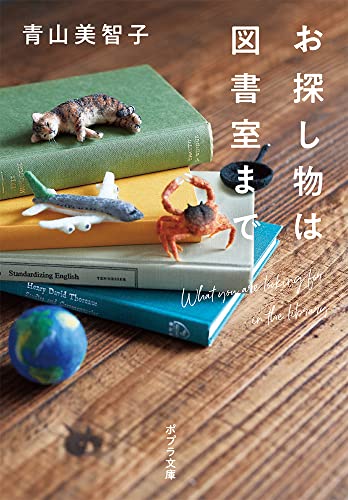
People who feel stuck in work and life wander, almost by accident, into a small community library in Tokyo. The librarian there is curt but an excellent listener, and she recommends each of them a book they would never have chosen for themselves — which turns out to be exactly what they were looking for.
Why read itIsn’t it lovely when someone tells you their worries and you can quietly hand them a book? This novel is that feeling, distilled. Each of the librarian’s picks is surprising at first and makes complete sense by the end, so you keep turning pages to see what she’ll choose next. If you already love books, you’ll love them more. If you’re coming back to reading after a long break, this is the one that reminds you why.
Get your copyHealing fiction · Kamakura · Letters
Tsubaki Stationery Store
Original Japanese title: ツバキ文具店(Ito Ogawa, 2016)
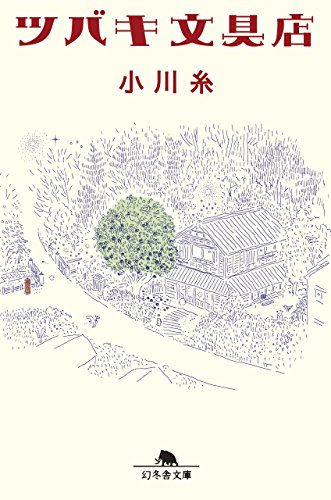
In a small stationery shop in Kamakura, the seaside town an hour from Tokyo, a young woman takes over her late grandmother’s unusual trade: writing letters on other people’s behalf. Condolences, apologies, a breakup letter — each request is harder than it looks.
Why read itIn an age when everything is one quick email, the heroine chooses the paper, the pen and even the handwriting to suit each letter. It’s like watching a play set on one small street, and the neighbors are wonderful characters. Many real Kamakura shops appear in the novel, and plenty of readers in Japan visit them after finishing. If you’re planning a trip to Japan, this is the book to read before a day trip to Kamakura.
Get your copyWorkplace comedy · Bookstore
How Can My Manager Be So Stupid?
Original Japanese title: 店長がバカすぎて(Kazumasa Hayami, 2019)
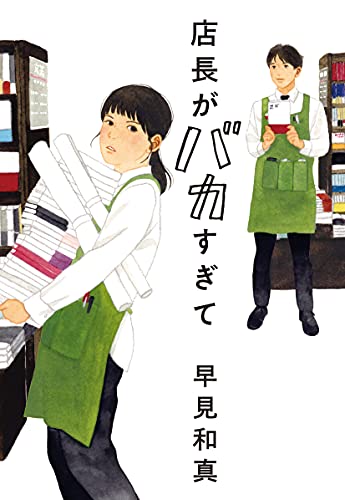
A contract employee at a Tokyo bookstore loves books and is ready to quit. Her manager gives endless morning speeches borrowed from business books, starts projects and forgets them, and enters an amateur singing contest, then sends his staff “encouragement” in the form of a parody song.
Why read it“That’s it, I’m quitting!” If you’ve ever thought that on a Friday, this is for you. You’ll laugh, you’ll nod along, and there’s a twist at the end that will surprise you — or rather, make you laugh. It’s a lighter kind of healing: the kind where you finish the book and your shoulders come down a little.
Get your copyFound family and quiet tenderness
Literary · Found family
The Housekeeper and the Professor
Original Japanese title: 博士の愛した数式(Yoko Ogawa, 2003)
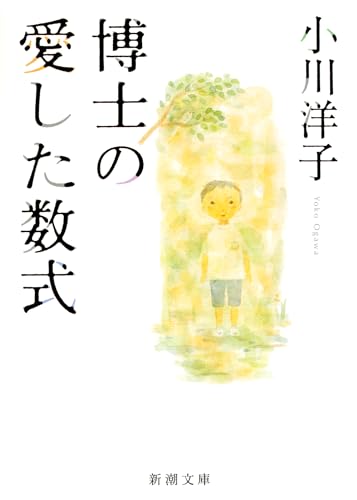
A housekeeper is sent to work for a brilliant mathematician whose memory lasts only 80 minutes. He meets her fresh every morning, and talks to her in numbers. When he learns she has a ten-year-old son, he insists the boy come to the house after school.
Why read itThere are only four main characters, and the story barely leaves the house, so you might expect it to feel small. It doesn’t. Because the cast is so small, every feeling is drawn with great delicacy. When it came out in paperback in Japan in 2006, it reportedly sold a million copies in two months. Prime numbers, memory and the Hanshin Tigers baseball team: if those three things together make you curious, start here.
Get your copyFamily · Coming of age
Someone to Cook For
Original Japanese title: そして、バトンは渡された(Maiko Seo, 2018)
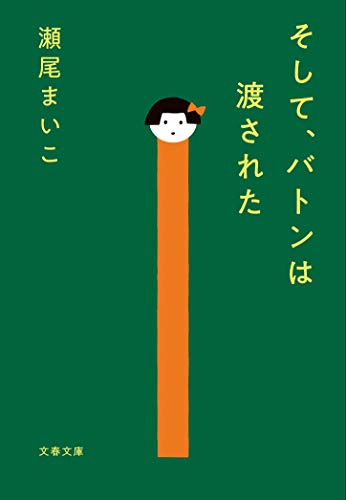
Yuko is a high school student who has had three fathers and two mothers, passed from one parent to the next for grown-up reasons. New homes, new schools, new last names. She could easily be the tragic heroine of her own story — and she simply isn’t.
Why read itHer calm, cheerful toughness is the heart of the book. In a time when we’re encouraged to turn every hardship into a personal story, the way she just sidesteps it is something every reader will take something from. In Japan it won the 2019 Japan Booksellers’ Award (Hon’ya Taisho) and was everywhere in bookstores. Run a bath, and read it slowly.
Get your copySmall kindnesses on the way to work
Linked stories · Kansai · Train
The Passengers on the Hankyu Line
Original Japanese title: 阪急電車(Hiro Arikawa, 2008)
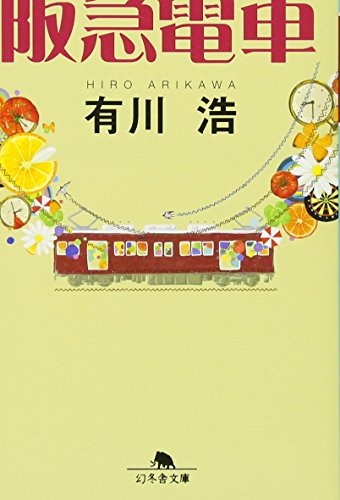
On a short local train line in the Kansai region (between Takarazuka and Nishinomiya), strangers’ lives brush past each other one station at a time. Each chapter is one stop, and one small encounter. From the author of The Travelling Cat ChroniclesNot yet read.
Why read itWhile reading it, and long after, I kept feeling a soft late-afternoon light coming through the train windows. It’s technically full of love stories, but it’s really a story about a town’s kindness — the size of someone giving up their seat for you. Each linked story is satisfying on its own, which makes it perfect for a commute. Riding the actual Hankyu line after reading it is a lovely thing to do in Kansai.
Get your copyGentle novels about work
Burnout · Work · Humor
There’s No Such Thing as an Easy Job
Original Japanese title: この世にたやすい仕事はない(Kikuko Tsumura, 2015)
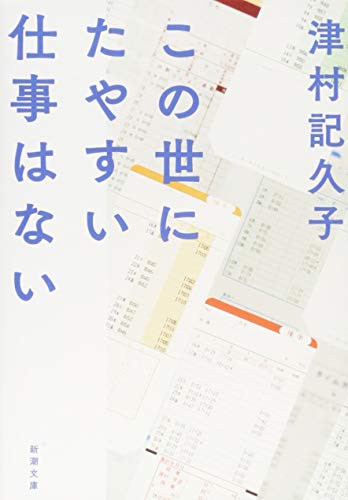
Burned out by her last job, a woman sits down at the job center and blurts out what she wants: something close to sitting and watching collagen being extracted. What follows is a series of the quietest, strangest jobs in Japan.
Why read itTsumura is one of Japan’s best-loved writers of novels about work. That line at the job center is a real punchline, and the whole book is wonderfully, addictively low-key. If you’re tired, if you can’t find your motivation, or if you’re about to start working, this is for you. Let’s all take it easy, one rest at a time.
Get your copyWork · Words · Love story
The Great Passage
Original Japanese title: 舟を編む(Shion Miura, 2011)
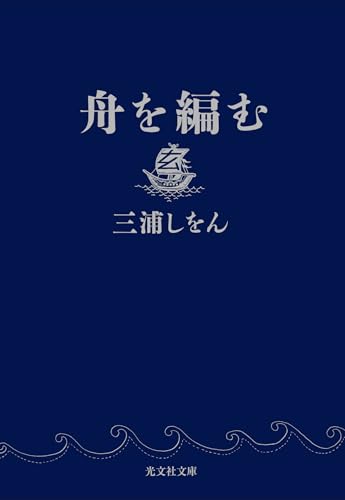
A socially awkward young man with a gift for words is recruited to a publisher’s dictionary department, where a small team spends years upon years making a single new dictionary.
Why read itMaking a dictionary is about as unglamorous as work gets, and that’s the point. You’ll nod at how much of any job is quiet, steady effort, feel encouraged by the hero’s stamina, and be warmed by a very pure love story along the way. It won the Japan Booksellers’ Award in 2012 and was made into a film. Because the hero says so little, the novel lets you inside his head in a way the film can’t.
Get your copyA little bit of magic
Magical premise · Bittersweet
Three Days of Happiness
Original Japanese title: 三日間の幸福(Sugaru Miaki, 2013)
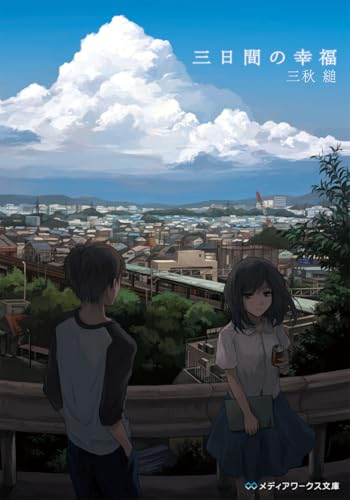
A young man living a gray, going-nowhere life finds a place that buys people’s remaining lifespan — and sells most of his. As his time runs out, a young woman named Miyagi is assigned to watch over him.
Why read itThe premise sounds like science fiction, but what follows is unexpectedly ordinary daily life. As the hero’s gray life slowly takes on color, you’ll want to keep reading — it’s so readable that you should be careful about missing your train stop. Watch for what the “great reversal” really means, right up to the last page.
Get your copy8 more Japanese healing novels readers around the world love
These are the Japanese healing fiction books you’ll see in bookshops all over the world right now. I haven’t read them yet, so I’ve marked each one “Not yet read” — but they’re too popular to leave out.
Bookshop · Tokyo · Jinbocho
Days at the Morisaki Bookshop
Not yet readOriginal Japanese title: 森崎書店の日々(Satoshi Yagisawa, 2010)
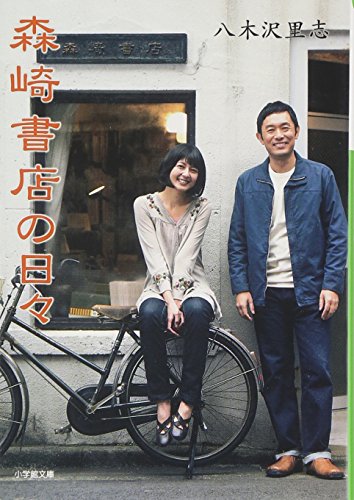
After a painful breakup, 25-year-old Takako moves into the spare room above her uncle Satoru’s secondhand bookshop in Jinbocho, Tokyo’s famous book district — and slowly finds her way back to life through reading.
Why readers love itThe English edition was shortlisted for the British Book Awards in 2024, and it was made into a Japanese film in 2010. I’ve seen it everywhere: in bookshops in Paris and in London, and even in a tiny book corner inside a big train terminal. If you visit Tokyo, Jinbocho is a real neighborhood full of secondhand bookshops.
Get your copyCafé · Time travel · Bestseller
Before the Coffee Gets Cold
Not yet readOriginal Japanese title: コーヒーが冷めないうちに(Toshikazu Kawaguchi, 2015)
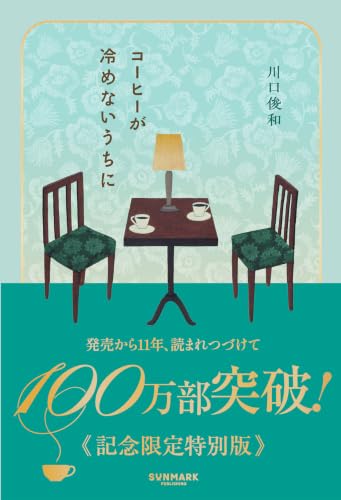
In a small café in a Tokyo back alley, customers can travel back in time — but only under strict rules, and they must return before their coffee gets cold.
Why readers love itThe book that made Japanese healing fiction famous abroad. The series has sold more than 10 million copies worldwide and is published in 55 countries and regions. It started as a stage play and was made into a film in 2018.
Get your copyBookshop · Talking cat · Fantasy
The Cat Who Saved Books
Not yet readOriginal Japanese title: 本を守ろうとする猫の話(Sosuke Natsukawa, 2017)
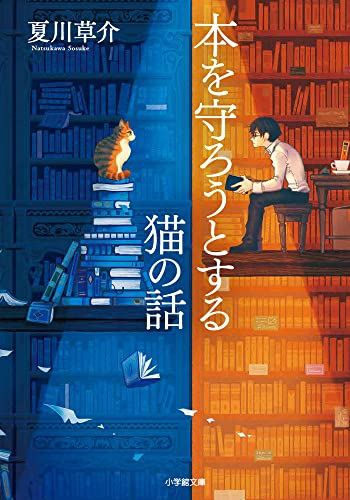
High-schooler Rintaro inherits his late grandfather’s secondhand bookshop. Then a talking tabby cat appears and asks for his help rescuing books that are being mistreated.
Why readers love itMarketed as a number one international bestseller, it’s a love letter to books for anyone who grew up in a library. There’s also a follow-up, The Cat Who Saved the Library.
Get your copyCat · Road trip · Tearjerker
The Travelling Cat Chronicles
Not yet readOriginal Japanese title: 旅猫リポート(Hiro Arikawa, 2012)
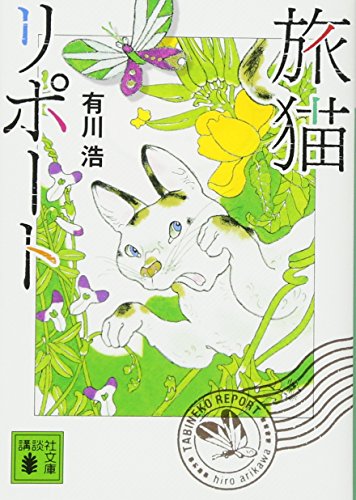
Satoru sets off on a journey across Japan with his beloved cat, Nana, visiting old friends along the way — looking for someone to give Nana a new home.
Why readers love itAn international bestseller and a 2018 Japanese film, by the same author as The Passengers on the Hankyu Line. Readers warn: have tissues ready.
Get your copyCafé · Cats · Astrology · Kyoto
The Full Moon Coffee Shop
Not yet readOriginal Japanese title: 満月珈琲店の星詠み(Mai Mochizuki, 2020)
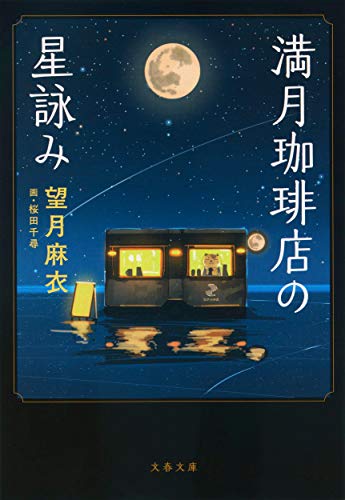
A coffee shop that appears only on full-moon nights, run by talking cats who read the stars to guide people who have lost their way.
Why readers love itA national bestseller in the US and a Publishers Weekly Best Book of 2024. It grew out of a much-loved illustration by Chihiro Sakurada.
Get your copyFood · Kyoto · Mystery
The Kamogawa Food Detectives
Not yet readOriginal Japanese title: 鴨川食堂(Hisashi Kashiwai, 2013)
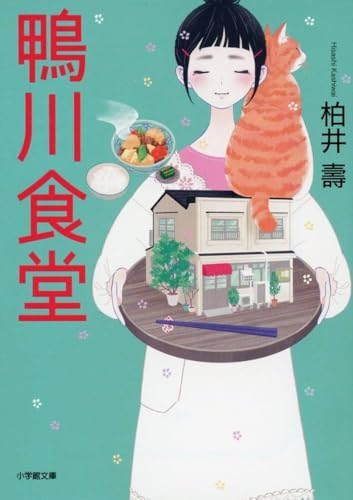
Koishi Kamogawa and her father run a little diner on a Kyoto backstreet, where they recreate dishes from customers’ memories — a lost family recipe, a meal from long ago.
Why readers love itA bestselling series in Japan (more than ten volumes) and an NHK TV drama. A perfect read before a trip to Kyoto, if you don’t mind getting hungry.
Get your copyFood · Friendship · Tokyo
Sweet Bean Paste
Not yet readOriginal Japanese title: あん(Durian Sukegawa, 2013)
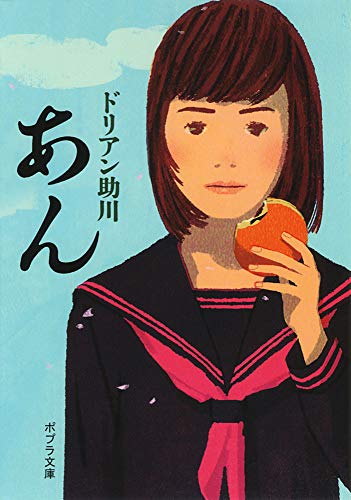
Sentaro runs a struggling dorayaki stall and hires Tokue, an elderly woman whose sweet bean paste brings in the customers — until people learn about her past.
Why readers love itNaomi Kawase’s film adaptation, Sweet Bean, opened the Un Certain Regard section at Cannes in 2015. Gentle on the surface, and quietly powerful underneath.
Get your copyAfterlife · Photographs · Memories
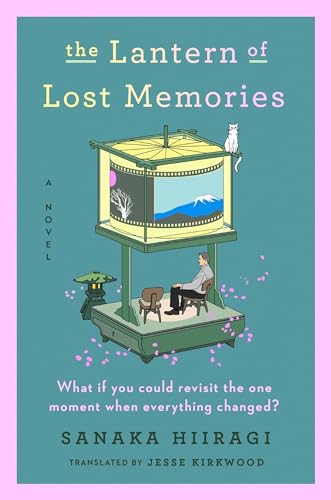
The Lantern of Lost Memories
Not yet readOriginal Japanese title: 人生写真館の奇跡(Sanaka Hiiragi, 2019)
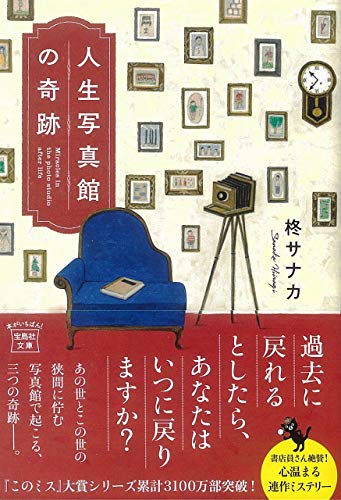
In a photo studio between life and death, Mr. Hirasaka helps the newly departed choose one photograph from each year of their lives — and relive a single memory before they move on.
Why readers love itFrom the same translator as The Full Moon Coffee Shop and The Kamogawa Food Detectives, it’s one of the newer favorites in the genre.
Get your copyHow to choose your first Japanese healing novel
- You want something exactly like Before the Coffee Gets Cold: What You Are Looking For Is in the Library
- You want to feel like you’re traveling in Japan: Tsubaki Stationery Store (Kamakura) or The Passengers on the Hankyu Line (Kansai) — and for many more, see our guide to books set in Japan
- You’re exhausted by work: There’s No Such Thing as an Easy Job, or How Can My Manager Be So Stupid? if you need to laugh
- You want to cry a little, in a good way: The Housekeeper and the Professor or Someone to Cook For
Ready to go a little deeper? Japanese healing fiction is only one corner of the map. In our guide to where to start with Japanese literature, I sort books by mood — including the classics that even Japanese readers find hard.
Japanese healing fiction: FAQ
What is Japanese healing fiction?
It’s a loose label for warm, low-stakes Japanese novels — called iyashi-kei in Japanese — usually set in a small place like a library, shop or café, where ordinary people at a low moment are helped by a small kindness. Many are written as linked short stories.
What should I read after Before the Coffee Gets Cold?
Start with What You Are Looking For Is in the Library by Michiko Aoyama: linked stories, a small welcoming place, and a quietly wise guide. If it was the magical rule you loved, try Three Days of Happiness.
Are these books available in English?
Yes. Every book on this list has an English translation, and you can find each one on Amazon through the links on this page. A few are new in 2026, including Tsubaki Stationery Store, Someone to Cook For and How Can My Manager Be So Stupid?
Which Japanese healing novel is best for beginners?
What You Are Looking For Is in the Library and The Passengers on the Hankyu Line. Both are written as short connected stories, so you can read one chapter at a time.
Are there Japanese healing books about bookstores or libraries?
Yes — What You Are Looking For Is in the Library is set in a community library, and How Can My Manager Be So Stupid? takes place in a Tokyo bookstore.
Are there Japanese healing novels about cats?
Yes, several: The Cat Who Saved Books, The Travelling Cat Chronicles and The Full Moon Coffee Shop, where the café is run by cats.
What is Days at the Morisaki Bookshop about?
A young woman recovering from a breakup moves in above her uncle’s secondhand bookshop in Jinbocho, Tokyo’s book district, and heals through reading. See our entry above.
Are Japanese healing novels sad?
Some have sad moments — illness, loss, family separations — but they almost always end somewhere warm. If you want no tears at all, choose the workplace comedies on this list.
Who writes Japanese healing fiction?
Writers often grouped here include Michiko Aoyama, Ito Ogawa and Hiro Arikawa. Many are women; I wrote a separate guide to Japanese women writers to read in English.
Before you go
Healing fiction doesn’t fix anything. But a good one makes the evening feel a little shorter and the next morning a little easier. Pick whichever cover you’d like to have on your nightstand, and start there.
May you find the one book
that keeps you company tonight.
More from a Tokyo bookseller
 Japanese Books in English: 12 Best Novels to Start WithThe 12 best Japanese novels to read in English, and where to go next.
 Books Set in Japan: 42 Novels to Read Before Your Trip42 novels set in Japan, mapped by region, with real places to visit on your trip.
 Japanese Literature: Where to StartA Tokyo bookseller’s guide to Japanese literature, sorted by mood: classics, comfort, page-turners and more.
 Japanese Women Authors: 27 Writers to Read in EnglishAsako Yuzuki, Yoko Ogawa, Mieko Kawakami, Yoko Tawada and 23 more Japanese women authors, with the book to start with.
* Publication details are taken from the English-language publishers’ pages and library records. Prices and availability on Amazon may change.
* As an Amazon Associate I earn from qualifying purchases. If you buy through a link on this page, I may earn a small commission at no extra cost to you. The order and selection of books are not influenced by advertising.