
This page contains affiliate links. As an Amazon Associate I earn from qualifying purchases. Every book on this page was chosen because we have read it, not because of the link.
Hi, I’m Moeno, a bookseller in Tokyo.
Butter by Asako Yuzuki is a huge hit. It has now sold more than two million copies worldwide, over 1.2 million of them outside Japan, with translation rights sold in 40 countries and regions. In the UK, the English translation was named Waterstones Book of the Year 2024 and went on to win at the British Book Awards. And she’s not alone. Mizuki Tsujimura’s Lonely Castle in the Mirror is suddenly everywhere, and when Mieko Kawakami holds a signing abroad, readers pack the bookstores and event halls. Japanese fiction now outsells every other language in translation in the UK, and many of its biggest names are women.
Reference
Kawade Shobo Shinsha, the Japanese publisher of Butter: “Butter passes two million copies worldwide” (June 25, 2026, in Japanese)
So who should you read next? I run a small, independent bookstore in Tokyo, and as a woman bookseller, Japanese women authors are the writers I love most. Here they are, author by author: who each writer is, what I love about her, and the book to start with.
Japanese readers don’t find Japanese literature easy either. And even in our own language, we still catch our breath at how beautiful it can be.— the motto of this series
I only introduce authors I have actually read.
Every writer in this guide is one I have read myself. What I say about each of them is my own, from one reader and bookseller to another. My notes on the books come from reading them in the original Japanese.

About me|Moeno
I’m a bookseller in my thirties in Japan. During the pandemic, I left my company job and started a small online bookstore devoted to hand-picked books. Today I also have a shop in Ichigaya, Tokyo.
A homestay in Seattle when I was ten made me dream of the world beyond Japan. At twenty I spent a year studying in London; later I worked for a French company, and recently I got married in Paris. I love living in Japan while feeling close to the rest of the world.
That’s why I started this blog: to share the beauty of Japanese literature with as many readers outside Japan as I can. My favorite hobby? Reading wherever I’m traveling.
If you like the books in this article, please subscribe to my YouTube channel, where I talk about books too.
 楽しい本と書店員📖小説ご紹介 / TOKYO BOOKSTORE GIRLS TUBEBooksellers in Tokyo introducing novels that are easy to read and fun to talk about.youtube.com/@chapters.bookstoreSubscribe
28 Japanese women authors at a glance
Three groups: the seven most popular, more writers you can read in English, and writers who are popular in Japan but not yet translated. Tap a name to jump to the author.
| Book | Author | Start with |
|---|---|---|
| The 7 most popular (7) | ||
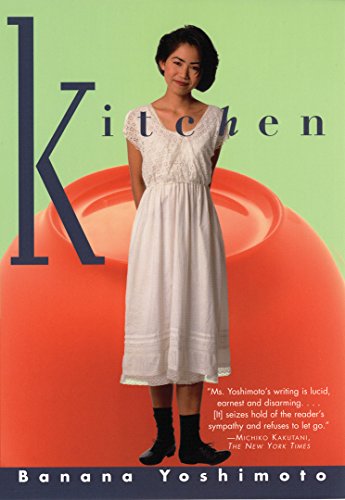 | Banana Yoshimoto吉本ばなな(よしもと ばなな) | Kitchen |
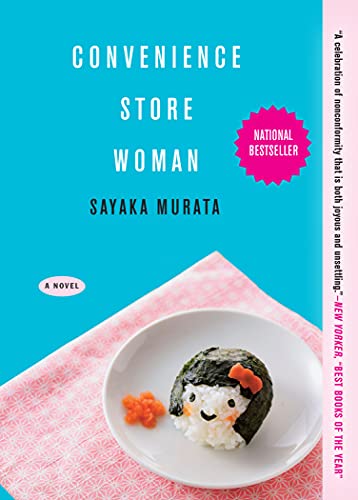 | Sayaka Murata村田沙耶香(むらた さやか) | Convenience Store Woman |
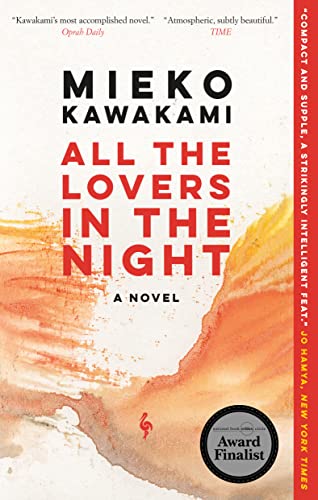 | Mieko Kawakami川上未映子(かわかみ みえこ) | All the Lovers in the Night |
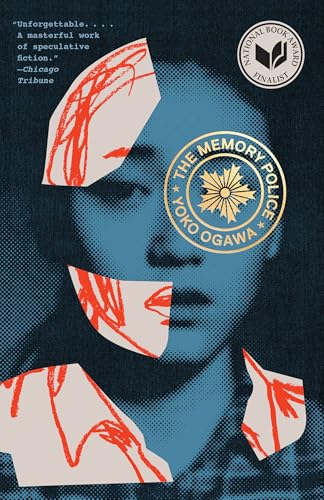 | Yoko Ogawa小川洋子(おがわ ようこ) | The Memory Police |
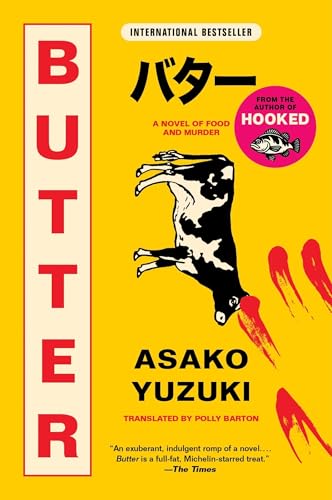 | Asako Yuzuki柚木麻子(ゆずき あさこ) | Butter |
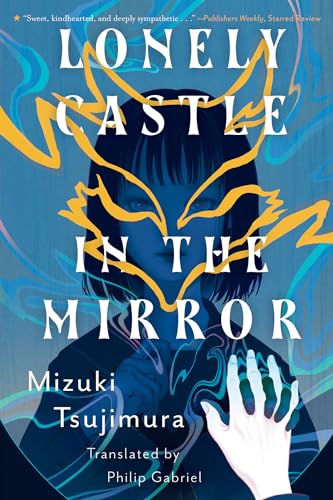 | Mizuki Tsujimura辻村深月(つじむら みづき) | Lonely Castle in the Mirror |
 | Yoko Tawada多和田葉子(たわだ ようこ) | Scattered All Over the Earth |
| More in English (16) | ||
 | Riku Onda恩田陸(おんだ りく) | Honeybees and Distant Thunder |
 | Kanae Minato湊かなえ(みなと かなえ) | Confessions |
 | Shion Miura三浦しをん(みうら しをん) | The Great Passage |
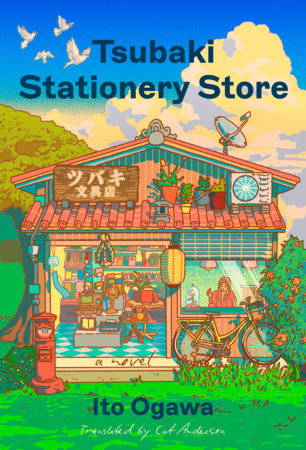 | Ito Ogawa小川糸(おがわ いと) | Tsubaki Stationery Store |
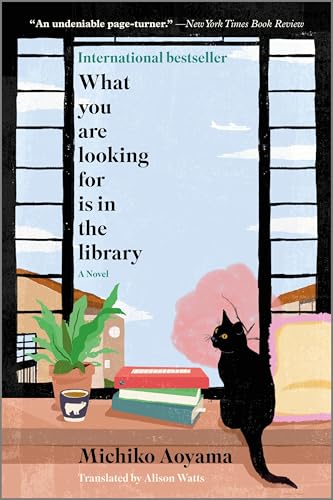 | Michiko Aoyama青山美智子(あおやま みちこ) | What You Are Looking For Is in the Library |
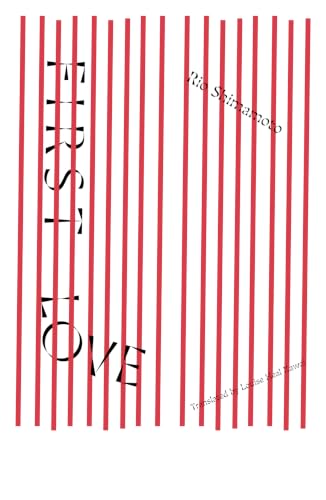 | Rio Shimamoto島本理生(しまもと りお) | First Love |
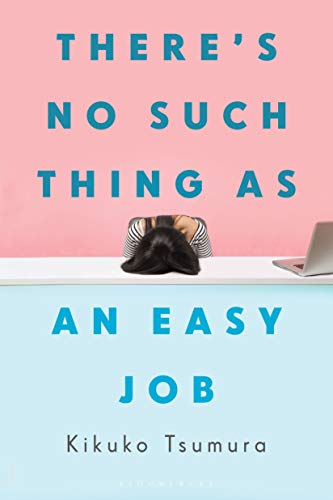 | Kikuko Tsumura津村記久子(つむら きくこ) | There’s No Such Thing as an Easy Job |
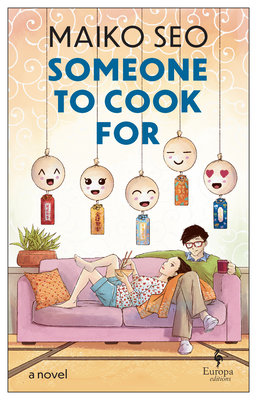 | Maiko Seo瀬尾まいこ(せお まいこ) | Someone to Cook For |
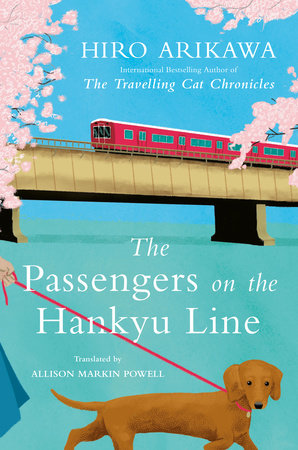 | Hiro Arikawa有川ひろ(ありかわ ひろ) | The Passengers on the Hankyu Line |
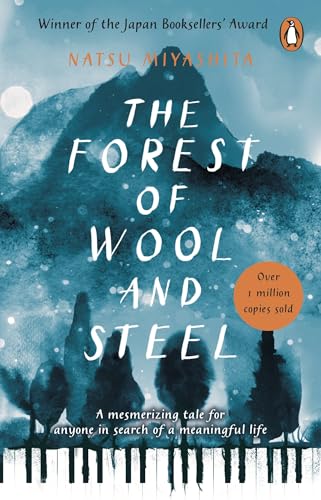 | Natsu Miyashita宮下奈都(みやした なつ) | The Forest of Wool and Steel |
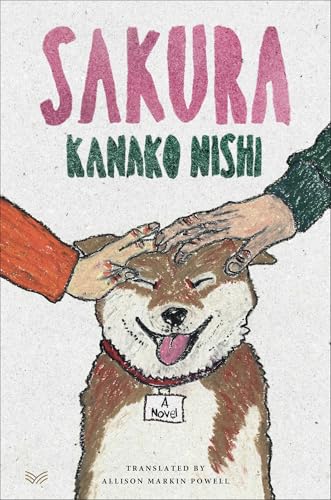 | Kanako Nishi西加奈子(にし かなこ) | Sakura |
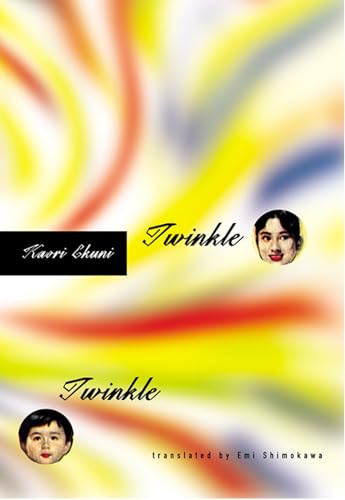 | Kaori Ekuni江國香織(えくに かおり) | Twinkle Twinkle |
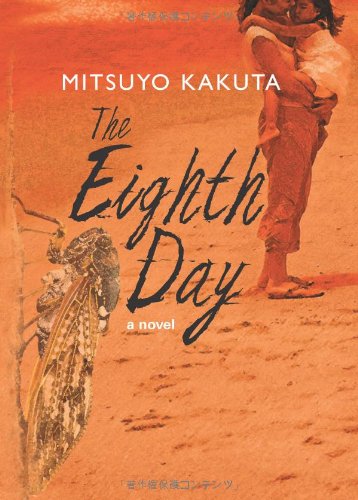 | Mitsuyo Kakuta角田光代(かくた みつよ) | The Eighth Day |
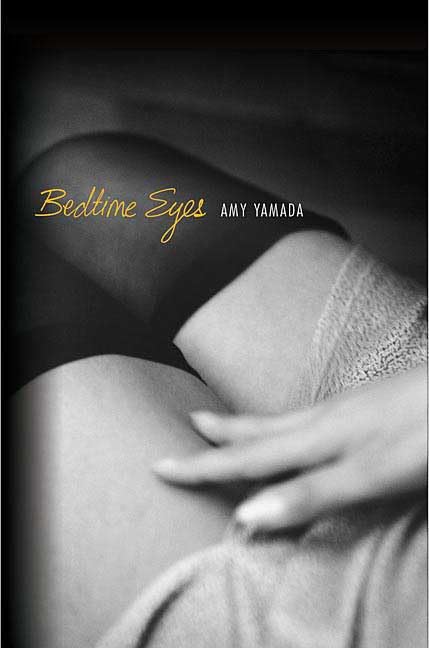 | Amy Yamada山田詠美(やまだ えいみ) | Bedtime Eyes |
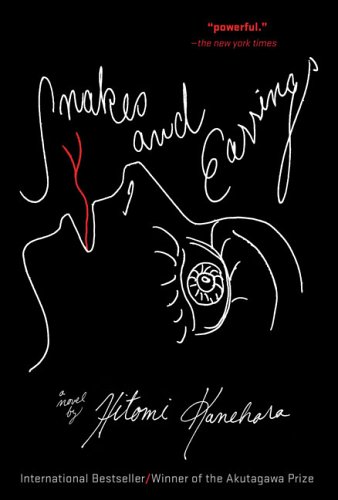 | Hitomi Kanehara金原ひとみ(かねはら ひとみ) | Snakes and Earrings |
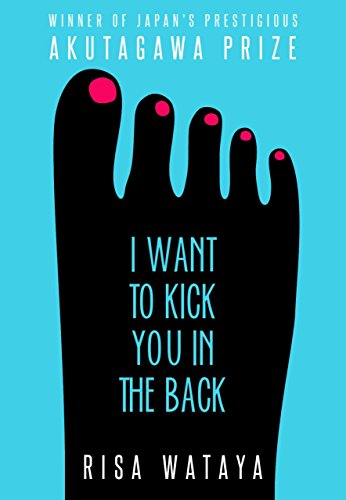 | Risa Wataya綿矢りさ(わたや りさ) | I Want to Kick You in the Back |
| Not yet in English (5) | ||
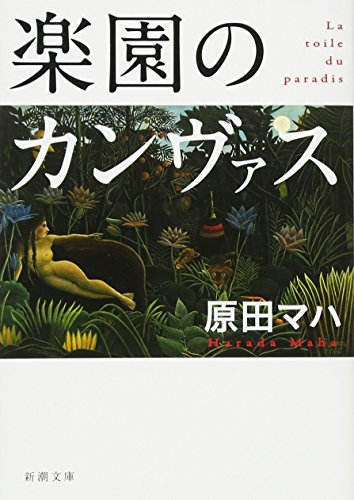 | Maha Harada原田マハ(はらだ まは) | 楽園のカンヴァス (Japanese only) |
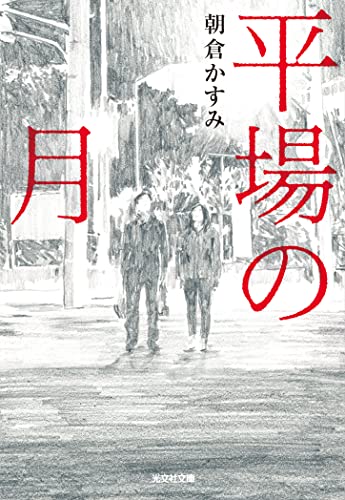 | Kasumi Asakura朝倉かすみ(あさくら かすみ) | 平場の月 (Japanese only) |
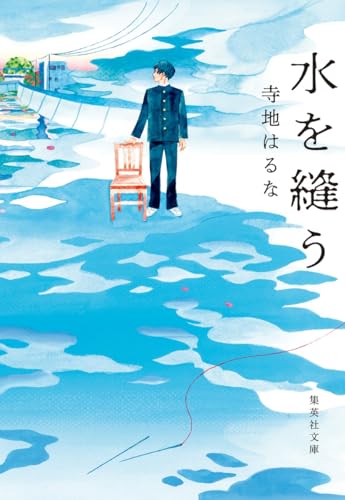 | Haruna Terachi寺地はるな(てらち はるな) | 水を縫う (Japanese only) |
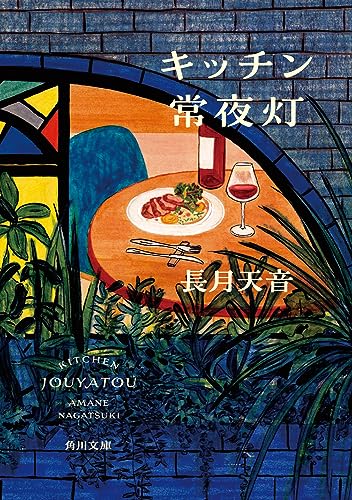 | Amane Nagatsuki長月天音(ながつき あまね) | キッチン常夜灯 (Japanese only) |
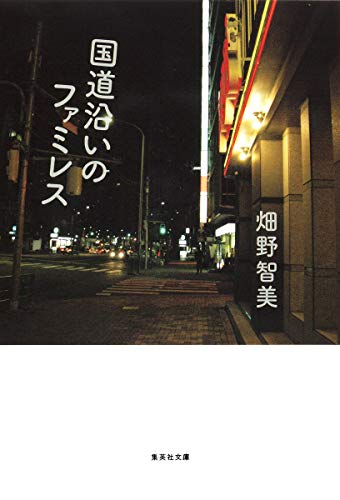 | Tomomi Hatano畑野智美(はたの ともみ) | 国道沿いのファミレス (Japanese only) |
7 Japanese women authors everyone is reading right now
If you only remember seven names, make it these. All seven are hugely popular in Japan, widely translated, and much talked about in English.
Banana Yoshimoto
よしもと ばなな
吉本ばなな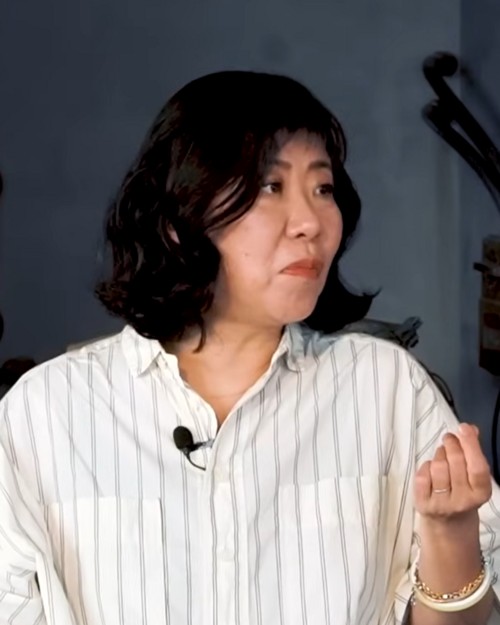
Moeno’s take
Banana Yoshimoto has fans of every age. She writes about love, relationships and everyday life, yet her stories always feel a little magical, and reading her can feel like therapy, as if she’s setting your inner child free. If you’re coming to Japan, read Kitchen, and make sure you eat katsudon on your trip!
Born in Tokyo in 1964, Yoshimoto debuted with Kitchen in 1988, and the “Banana boom” that followed made her one of the first contemporary Japanese writers read around the world. Around ten of her books are available in English, including Goodbye Tsugumi and Moshi Moshi.
Classic · Grief · Comfort
Kitchen
Original Japanese title: キッチン(1988)
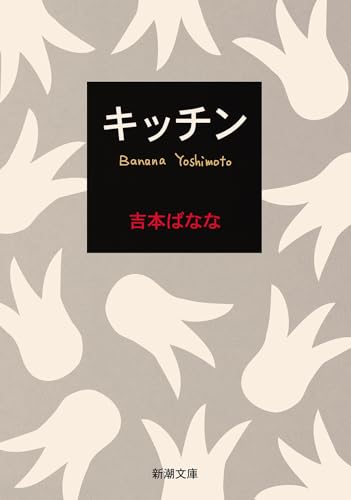
After her grandmother dies, Mikage, a young woman who feels most at home in kitchens, is taken in by a kind young man and his mother. A short, tender story about grief and the comfort of cooking for someone, published with the novella “Moonlight Shadow.”
My notesThis novel will make you desperate for katsudon! If you’re about to travel to Japan, read it, and then be sure to eat katsudon while you’re here. The story is about loss, and a loneliness that doesn’t go away even when you’re with someone — and yet it never feels lonely. Maybe it’s the prose, but it’s a gentle story, and the ending is the best. Mikage sleeps next to the refrigerator, comforted by its hum. When you live alone, don’t you sometimes notice the fridge’s hum, as if it were alive? I related to that so much.
Get your copySayaka Murata
むらた さやか
村田沙耶香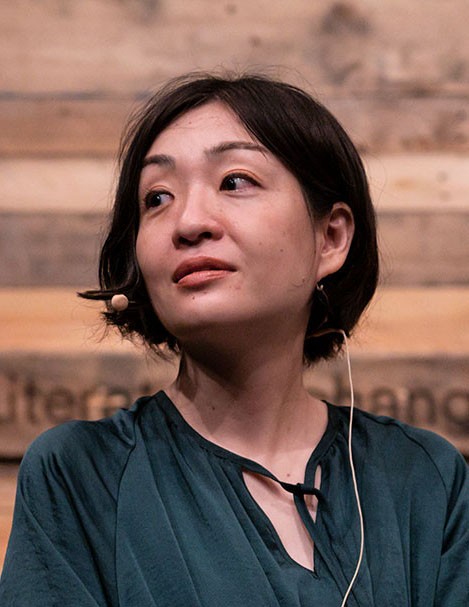
Moeno’s take
Murata won the Akutagawa Prize, Japan’s most prestigious award for literary fiction. Even as a Japanese reader I find her a little challenging, but once she hooks you, you just want to keep reading. Many of her books shine a light on how hard life can be for women, which makes her a reassuring presence for women in Japan.
Born in 1979, Murata worked part-time in a convenience store for years, even after becoming a novelist. Convenience Store Woman won the Akutagawa Prize in 2016 and has sold more than two million copies in 40 countries. Her other books in English include Earthlings and the story collection Life Ceremony.
Bestseller · Short · Akutagawa Prize
Convenience Store Woman
Original Japanese title: コンビニ人間(2016)
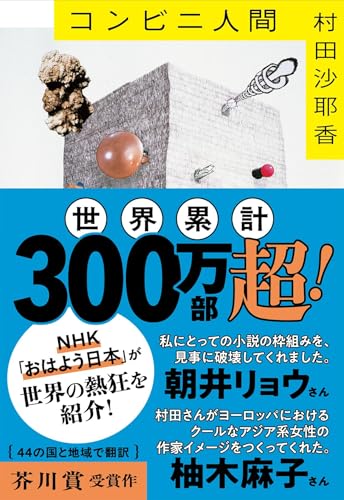
Keiko has worked part-time at the same Tokyo convenience store for eighteen years. She’s never had a boyfriend and is perfectly content — but everyone around her keeps insisting she isn’t normal.
My notesThis is the novel that made Sayaka Murata famous almost overnight, and it won the Akutagawa Prize, Japan’s best-known literary award. I often wonder how it’s read outside Japan. For me, watching a person turn into a kind of machine gave me chills, and it made me painfully aware that I, too, am just one cog in society. Murata has written many other books that accept women’s struggles just as they are, and I’m a huge fan of them. Shiroiro no Machi no, Sono Hone no Taion no (しろいろの街の、その骨の体温の) and Marunouchi Mahō Shōjo Miracleena (丸の内魔法少女ミラクリーナ) haven’t been translated yet, but they’re books I truly hope people all over the world will read someday. Stay tuned! In the meantime, her Earthlings and the story collection Life Ceremony are available in English.
Get your copyMieko Kawakami
かわかみ みえこ
川上未映子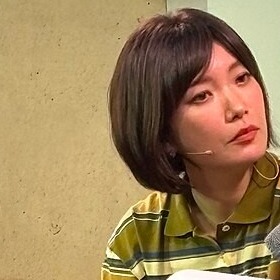
Moeno’s take
She’s so popular that her signings abroad draw long lines of readers. In Japan she has even appeared in TV commercials for a famous drinks brand; her work goes far beyond her novels. Her stories are wonderful, and many women here admire her beauty, too!
Born in Osaka in 1976, Kawakami started out as a singer before winning the Akutagawa Prize in 2008. Breasts and Eggs and Heaven were international hits, and All the Lovers in the Night was a finalist for the U.S. National Book Critics Circle Award.
Literary · Loneliness · Tokyo night
All the Lovers in the Night
Original Japanese title: すべて真夜中の恋人たち(2011)
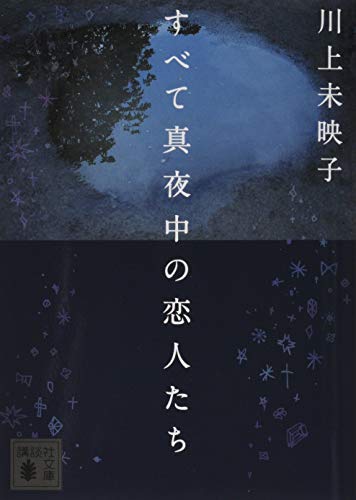
Fuyuko, a freelance proofreader in Tokyo, has lived alone with her shyness so long that loneliness feels normal. Her one small pleasure: a walk alone through the city on the night of her birthday.
Why read itFrom the first page, the beauty of the night washes over you in words. Fuyuko is so extremely introverted that not every reader will relate to her, but there’s an addictive pleasure in eavesdropping on her inner monologue. It’s a love story told from a woman’s point of view that captivates men too. Few novels suit a city night sky like this one. Kawakami is also the author of the international bestseller Breasts and Eggs.
Get your copyYoko Ogawa
おがわ ようこ
小川洋子Moeno’s take
Her prose is so beautiful that even Japanese readers are spellbound by it: this is how lovely the Japanese language can be. Every year when the Nobel Prize is announced, there’s a little stir in Japan: if a Japanese writer wins, many think it will be her or Yoko Tawada.
Born in Okayama in 1962, Ogawa won the Akutagawa Prize in 1991. The Housekeeper and the Professor won the first Japan Booksellers’ Award in 2004, and The Memory Police was a finalist for the International Booker Prize in 2020.
Literary · Dystopia · Yoko Ogawa
The Memory Police
Original Japanese title: 密やかな結晶(1994)
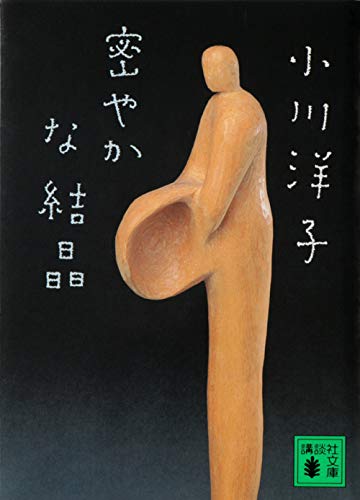
On an island, things quietly disappear — and once they’re gone, people forget they ever existed. Words vanish, and people forget even what they’ve lost. A novelist hides her editor, who cannot forget, from the Memory Police.
My notesEven for Japanese readers reading in their mother tongue, Ogawa’s prose is breathtaking — like chasing words that glide like ice, so delicate and fleeting they might melt. A line about tears being proof that the heart is desperately resisting has stayed caught in my mind ever since. It was a finalist for the International Booker Prize in 2020. Her The Housekeeper and the Professor is wonderful too. If she wins the Nobel Prize, I think Japanese literature will open up to so many more readers.
ALSO BY YOKO OGAWAThe Housekeeper and the Professor — a gentler place to start. See it in our Japanese healing fiction list.
Get your copyAsako Yuzuki
ゆずき あさこ
柚木麻子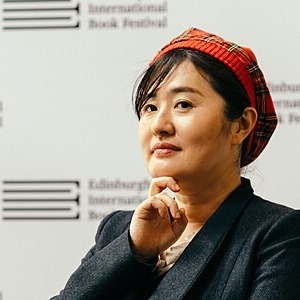
Moeno’s take
Butter is a hit all over the world right now. Yuzuki either digs deep into complex, messy relationships or writes uplifting stories of sisterhood, so differently that you’d think there were two of her! Her characters are one of a kind and she has many fans. I want far more of her books translated and read around the world. My own favorites, still only in Japanese, are その手をにぎりたい and 本屋さんのダイアナ.
Born in Tokyo in 1981, Yuzuki writes sharp, funny, often dark novels about women, food and friendship. Butter made her an international bestseller, and her earlier novel Hooked followed in English in 2026.
Bestseller · Food · Crime
Butter
Original Japanese title: BUTTER(2017)
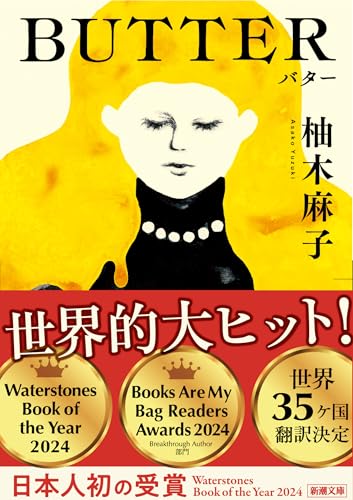
A young journalist tries to land an interview with a woman in prison, accused of killing lonely men she seduced with her cooking. The prisoner agrees to talk — but only about food, and the journalist starts cooking her way into the woman’s world.
My notesAsako Yuzuki is one of my all-time favorite women writers. She portrays women’s strength and vulnerability with everything she has, and so many of her books carry a real sense of sisterhood. In Japan, where I still often feel frustrated by how male-dominated society is, her presence is like a light. Butter is based on a real case. At first, with the line between reality and fiction blurring, I felt I’d read something terrifying. But when I read it again, as a novel that simply takes its inspiration from reality, I sank completely into its world. Elaborate French dishes like boeuf bourguignon appear, and you will get very hungry, so be warned. Then go straight on to Yuzuki’s Hooked, just below.
Get your copyDark comedy · Friendship · From the author of Butter
Hooked
Original Japanese title: ナイルパーチの女子会(2015)
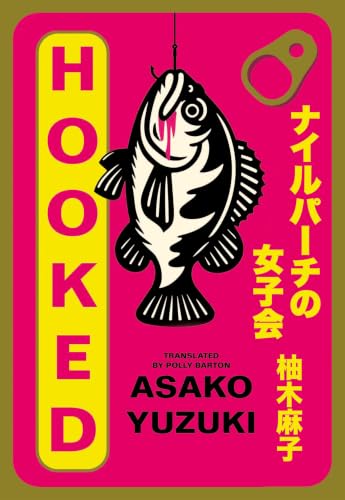
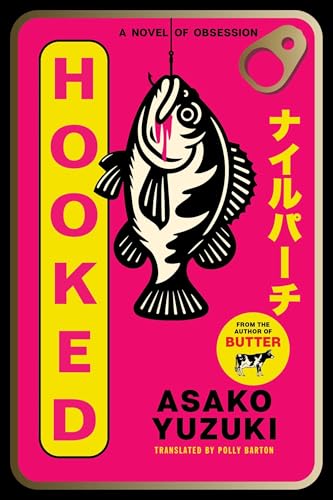
Eriko is a beautiful, high-flying office worker. Shoko is a housewife who writes a blog Eriko secretly loves. The one thing they have in common is that neither of them has a single friend. After one late-night meeting at a family restaurant, both their lives start to unravel.
Why read itIf you’ve ever said or heard “women’s friendships are so complicated,” this is the book. Whatever the truth, you’ll finish it thinking: wow, they really are. The characters’ need for approval goes completely off the rails, and yet you can’t laugh it off as comedy. Honestly, I was a little dazed when I finished. It was shortlisted for the Naoki Prize. If you loved Yuzuki’s Butter, this is the next one to read.
Get your copyMizuki Tsujimura
つじむら みづき
辻村深月Moeno’s take
A master of fiction for and about young people. She’s best known for stories about teenagers, but they’re full of mystery and page-turning fun, so readers of every generation love her. Even readers in their early teens can enjoy her.
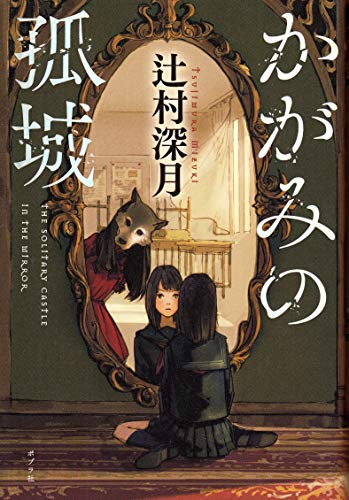
Born in Yamanashi in 1980, Tsujimura won the Naoki Prize in 2012 and writes with rare tenderness about young people who don’t fit in. Lonely Castle in the Mirror won the Japan Booksellers’ Award in 2018 and was made into an anime film in 2022.
Start with in English
Lonely Castle in the Mirror — seven teenagers who have stopped going to school are pulled through their bedroom mirrors into a castle, where a key that grants one wish is hidden. Translated by Philip Gabriel.
Also in English: Lost Souls Meet Under a Full Moon (2025) and Anime Supremacy!
What we picked in Japanese
本日は大安なり, 島はぼくらと, 凍りのくじら, 水底フェスタ
Get your copyYoko Tawada
たわだ ようこ
多和田葉子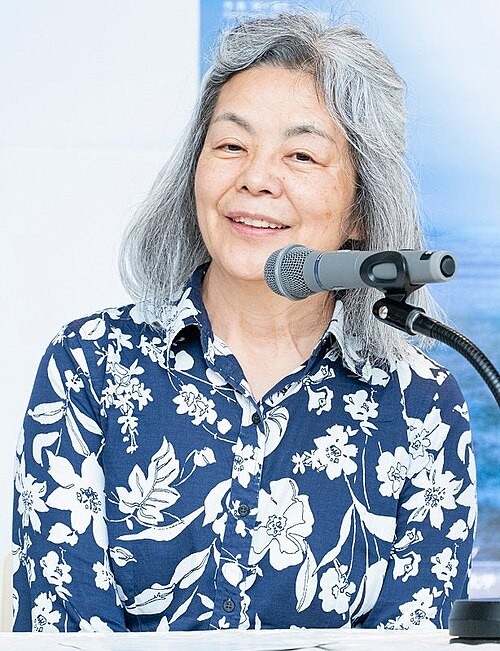
Moeno’s take
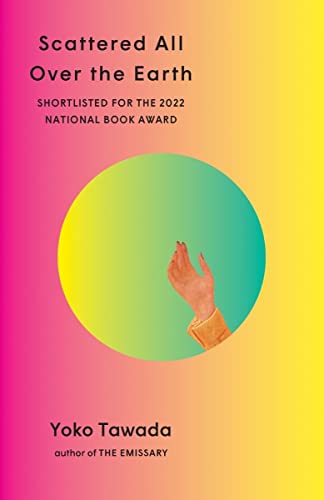
Tawada lives in Germany, and her writing reminds me that growing older can be a joy, full of wit and humor. Scattered All Over the Earth, a wildly imaginative story that begins after Japan has vanished, may be even more fun if you’re reading from outside Japan!
Born in Tokyo in 1960, Tawada has lived in Germany since 1982 and writes in both Japanese and German. Her novel The Emissary won the U.S. National Book Award for Translated Literature in 2018, and she is often mentioned as a future Nobel laureate.
Literary · Language · Yoko Tawada
Scattered All Over the Earth
Original Japanese title: 地球にちりばめられて(2018)
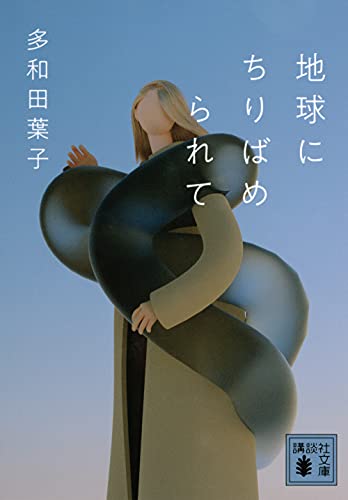
Hiruko, studying abroad in Europe, learns that her home country has vanished. She invents a language of her own to get by, and sets off with new friends across Europe in search of anyone left who speaks her mother tongue.
My notesTawada is a true Japanese-language geek, always chasing how deep and how playful words can be. There’s something deeply alluring about her wit, and she’s exactly how I’d like to grow older. What if no one in the world spoke your language anymore? The idea sounds heavy, but the book is full of wordplay: a sushi whose name sounds like “how much,” a second-generation immigrant Princess Kaguya. For me, it’s her masterpiece. Tawada writes in both Japanese and German, and won the U.S. National Book Award for Translated Literature in 2018 for The Emissary.
Get your copyMore Japanese women authors to read in English
From mystery queens to cozy favorites, here are more writers I love who are available in English.
Riku Onda
おんだ りく
恩田陸Moeno’s take
Her characters are wonderfully distinct. She’s a genius who can write anything: horror, coming-of-age stories, mysteries.
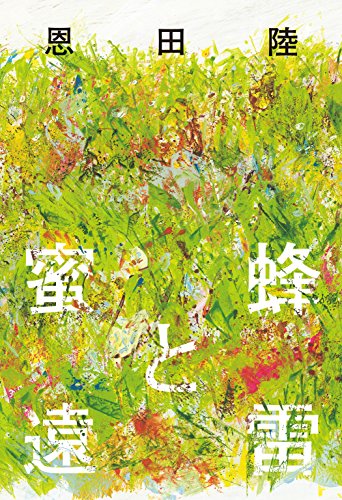
Born in Aomori in 1964, Onda moves easily between mystery, horror and coming-of-age fiction. Honeybees and Distant Thunder won both the Naoki Prize and the Japan Booksellers’ Award in 2017, the first book ever to win both.
Start with in English
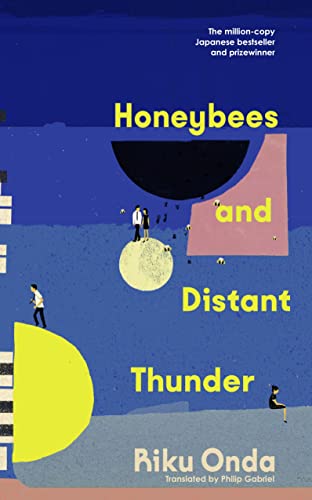
Honeybees and Distant Thunder — four young pianists compete at an international piano competition in Japan, and the music leaps off the page. Translated by Philip Gabriel.
Also in English: The Aosawa Murders (translated by Alison Watts), a haunting mystery about a mass poisoning at a family party
What we picked in Japanese
ドミノ, チョコレートコスモス
Get your copyKanae Minato
みなと かなえ
湊かなえMoeno’s take
A master of mystery. Many of her novels have been made into films.
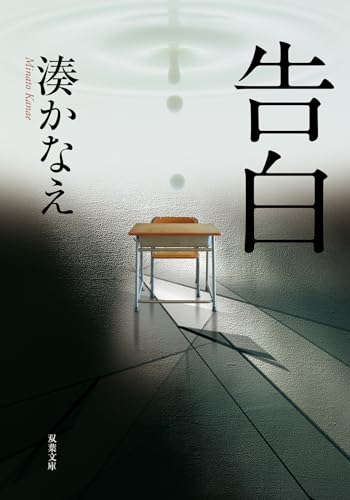
Born in Hiroshima in 1973, Minato is Japan’s queen of iyamisu, the “eww mystery” that leaves you uneasy long after the last page. Her debut, Confessions, won the Japan Booksellers’ Award in 2009 and was made into a hit film in 2010.
Start with in English
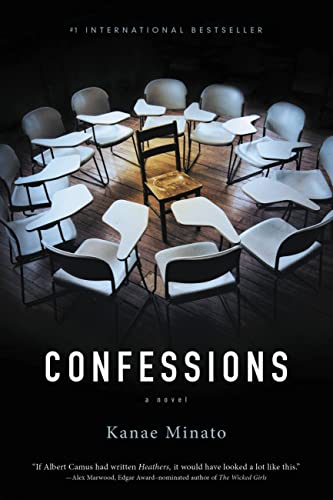
Confessions — a teacher whose young daughter has died tells her class that two of her students are responsible, and then takes her revenge. Translated by Stephen Snyder.
Also in English: Penance (translated by Philip Gabriel)
What we picked in Japanese
リバース (Reverse)
Get your copyShion Miura
みうら しをん
三浦しをんMoeno’s take
Her essays are popular too, and her fun personality has won her lots of fans.
Born in Tokyo in 1976, Miura won the Naoki Prize in 2006, and The Great Passage won the Japan Booksellers’ Award in 2012. Her running novel Run with the Wind is also available in English.
Work · Words · Love story
The Great Passage
Original Japanese title: 舟を編む(Shion Miura, 2011)
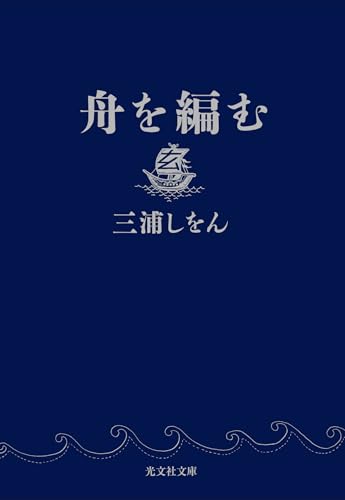
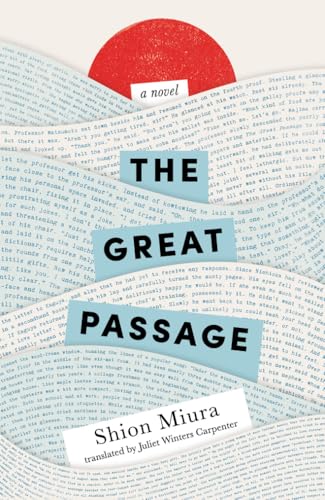
A socially awkward young man with a gift for words is recruited to a publisher’s dictionary department, where a small team spends years upon years making a single new dictionary.
Why read itMaking a dictionary is about as unglamorous as work gets, and that’s the point. You’ll nod at how much of any job is quiet, steady effort, feel encouraged by the hero’s stamina, and be warmed by a very pure love story along the way. It won the Japan Booksellers’ Award in 2012 and was made into a film. Because the hero says so little, the novel lets you inside his head in a way the film can’t.
Get your copyIto Ogawa
おがわ いと
小川糸Moeno’s take
She’s hugely popular for what Japanese readers call hokkori, heartwarming fiction. Read Tsubaki Stationery Store and I bet you’ll want to visit Kamakura.
Born in Yamagata in 1973, Ogawa writes gentle novels about food, letters and starting over. Her debut, The Restaurant of Love Regained, is also available in English.
Healing fiction · Kamakura
Tsubaki Stationery Store
Original Japanese title: ツバキ文具店(2016)
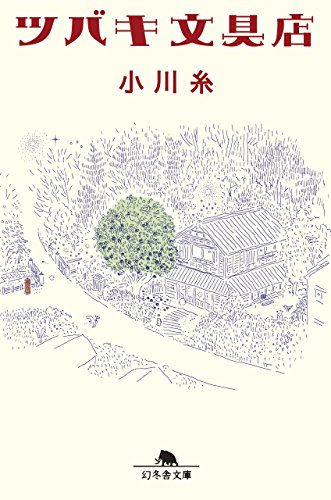
In a small stationery shop in Kamakura, a young woman writes letters on behalf of others — choosing the paper, the pen and the handwriting for every one.
Why read itLike watching a play set on one small street. Many readers in Japan visit the real Kamakura shops that appear in it.
Get your copyMichiko Aoyama
あおやま みちこ
青山美智子Moeno’s take
When you think of heartwarming fiction, you think of her! Read her before bed and you’ll drift off feeling safe. I secretly call her books bedtime stories for grown-ups.
Born in Aichi in 1970, Aoyama worked as a reporter in Sydney before becoming a novelist. Her linked-story novels have been finalists for the Japan Booksellers’ Award again and again.
Healing fiction · Library
What You Are Looking For Is in the Library
Original Japanese title: お探し物は図書室まで(2020)
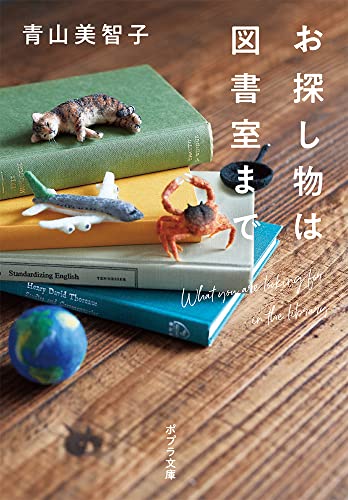
People stuck in work and life drop by a small community library in Tokyo, where a brusque but brilliant librarian recommends each of them an unexpected book.
Why read itThis novel is everything that’s good about having someone choose a book for you. If you already love books, you’ll love them more.
Get your copyRio Shimamoto
しまもと りお
島本理生Moeno’s take
A cloudy, languid mood hangs over all her work. Her style and stories stay close to women’s inner lives, and once you start reading you can’t stop. First Love, her best-known novel, has a touch of mystery and made her a star.
Born in Tokyo in 1983, Shimamoto published her first book as a high school student. First Love won the Naoki Prize in 2018.
Literary mystery · Naoki Prize
First Love
Original Japanese title: ファーストラヴ(2018)
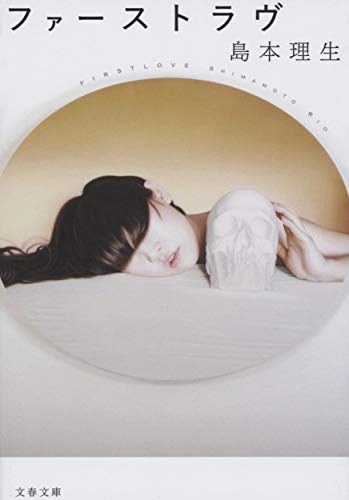
A beautiful university student is arrested for stabbing her father to death. As a clinical psychologist interviews her for a book, the young woman’s past and the cracks in her family slowly come to light. Why did she kill him?
Why read itI read it in one sitting and came away truly glad I had. The subject is anything but light, but the story is told by the psychologist, a woman whose intelligence and persistence are a pleasure to follow, so the painful scenes keep a little distance. Toward the end, the emotion speeds up until something quietly bursts, and I couldn’t catch my breath for a while afterward. It won the Naoki Prize in 2018. (Not to be confused with the Netflix series of the same name.)
Get your copyKikuko Tsumura
つむら きくこ
津村記久子Moeno’s take
She writes with care about working women, low-paid jobs, and ordinary lives, rather than glamorous careers. I once went to one of her talks, and she’s very funny in person, too!
Born in Osaka in 1978, Tsumura won the Akutagawa Prize in 2009 and is one of Japan’s best-loved writers of novels about work.
Work · Burnout · Deadpan
There’s No Such Thing as an Easy Job
Original Japanese title: この世にたやすい仕事はない(2015)
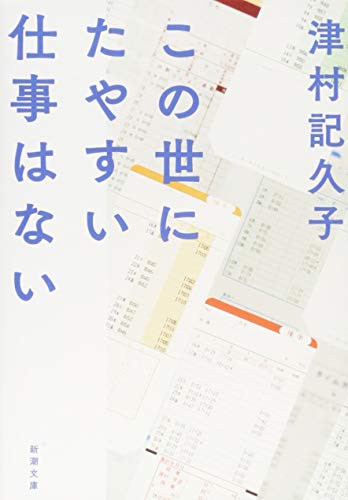
Burned out by her last job, a woman asks the job center for work as undemanding as watching collagen being extracted — and drifts through a series of Japan’s quietest, strangest jobs.
Why read itTsumura is one of Japan’s best-loved writers of novels about work, and this book is wonderfully, addictively low-key. If you’re tired, this book will cheer you on without asking anything of you.
Get your copyMaiko Seo
せお まいこ
瀬尾まいこMoeno’s take
Her books are light and bright, yet they leave you thinking. Someone to Cook For was made into a film and was hugely popular.
Born in Osaka in 1974, Seo was a junior high school teacher before writing full-time. Someone to Cook For (そして、バトンは渡された) won the Japan Booksellers’ Award in 2019.
Family · Coming of age
Someone to Cook For
Original Japanese title: そして、バトンは渡された(2018)
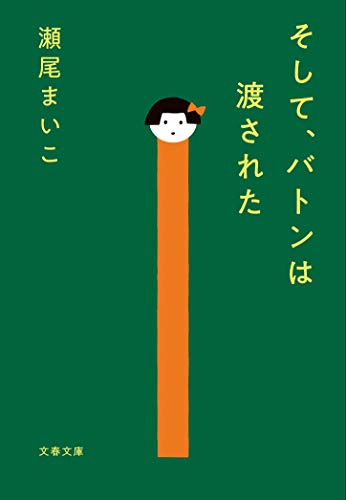
A high school girl who has been raised by three fathers and two mothers grows up, against all odds, cheerful, healthy and pleasantly ordinary.
Why read itHer calm toughness in the face of hardship is something every reader takes something from. Winner of the 2019 Japan Booksellers’ Award.
Get your copyHiro Arikawa
ありかわ ひろ
有川ひろMoeno’s take
She writes lots of love stories, but her science fiction is popular too! Pure entertainment, and so readable that teenagers love her.
Born in Kochi in 1972, Arikawa is also the author of the international bestseller The Travelling Cat Chronicles.
Linked stories · Kansai
The Passengers on the Hankyu Line
Original Japanese title: 阪急電車(2008)
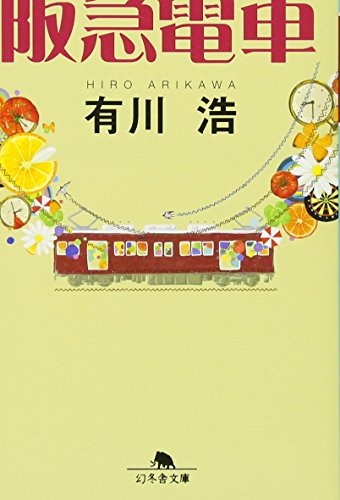
Strangers’ lives brush past each other, one station at a time, on a short local train line in Kansai.
Why read itSmall kindnesses, like being offered a seat, fill every page. Arikawa is also the author of The Travelling Cat Chronicles. Perfect for a commute.
Get your copyNatsu Miyashita
みやした なつ
宮下奈都Moeno’s take
She follows women as they grow, with great care. Her essay collection 神さまたちの遊ぶ庭, about her family living in Hokkaido for just one year, is wonderful too, and I hope it gets translated.
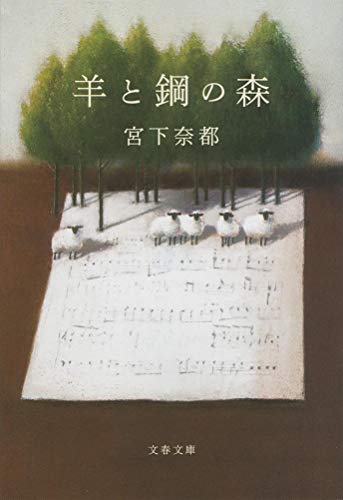
Born in Fukui in 1967, Miyashita writes quiet, luminous novels about ordinary people finding their calling.
Start with in English
The Forest of Wool and Steel — a boy from the Hokkaido forests hears a piano being tuned at school and becomes an apprentice tuner. Winner of the 2016 Japan Booksellers’ Award. Translated by Philip Gabriel.
What we picked in Japanese
神さまたちの遊ぶ庭, 太陽のパスタ、豆のスープ
Get your copyKanako Nishi
にし かなこ
西加奈子Moeno’s take
Even her long novels fly by; her stories pull you in and don’t let go. Her down-to-earth Kansai personality is hugely popular, too. くもをさがす, her book about her experience of breast cancer, gave strength to women all over Japan.
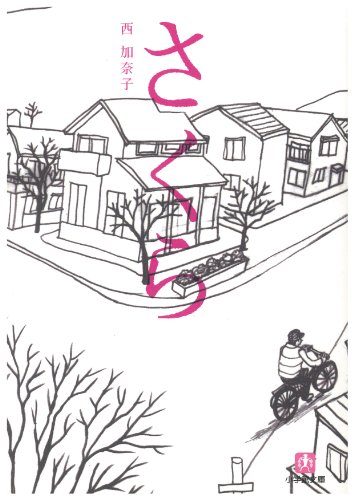
Born in Tehran in 1977 and raised in Cairo and Osaka, Nishi won the Naoki Prize in 2015 for Saraba!. Her warm, wildly energetic novels are hugely popular in Japan, and Sakura (2026) is her first book in English.
Start with in English
Sakura — Kaoru goes home to Osaka after a letter from his father and looks back on the family, and the dog named Sakura, that held them together. Translated by Allison Markin Powell.
What we picked in Japanese
漁港の肉子ちゃん
Get your copyKaori Ekuni
えくに かおり
江國香織Moeno’s take
A master of love stories. Her characters are delicate and fleeting, with a vulnerability that makes me want to protect them. Vulnerability is exactly the English word for it; there’s no single Japanese word that captures it.
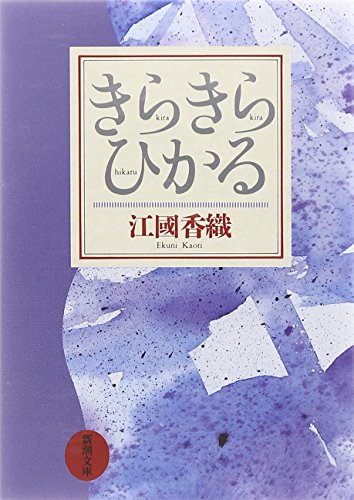
Born in Tokyo in 1964, Ekuni writes cool, elegant novels about love and solitude. She won the Naoki Prize in 2004 for 号泣する準備はできていた.
Start with in English
Twinkle Twinkle — newlyweds, a gay doctor and a fragile, funny young woman, marry to keep their parents happy. Translated by Emi Shimokawa.
Also in English: God’s Boat
What we picked in Japanese
号泣する準備はできていた, 間宮兄弟
Get your copyMitsuyo Kakuta
かくた みつよ
角田光代Moeno’s take
A writer with a mysterious world all her own, for when you’re in a quiet, mellow mood.
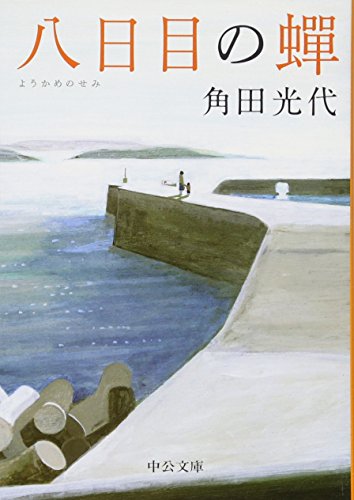
Born in Yokohama in 1967, Kakuta is one of Japan’s most prolific and admired novelists, and the translator of The Tale of Genji into modern Japanese. She won the Naoki Prize for Woman on the Other Shore.
Start with in English
The Eighth Day — a woman kidnaps her former lover’s baby and raises her on the run; years later, the grown daughter confronts that past. Translated by Margaret Mitsutani.
Also in English: Woman on the Other Shore
What we picked in Japanese
まどろむ夜のUFO, さがしもの
Get your copyAmy Yamada
やまだ えいみ
山田詠美Moeno’s take
Her stories are great, but her real magic is her way with words. Even Japanese readers catch their breath at expressions they’ve never seen before. She expands the possibilities of the Japanese language.
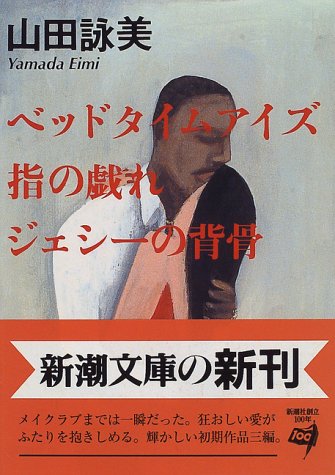
Born in Tokyo in 1959, Yamada (Eimi Yamada in Japanese) burst onto the scene in 1985 with frank, sensual stories that changed how Japanese women wrote about love.
Start with in English
Bedtime Eyes — three stories about young Japanese women in turbulent relationships with American men. Translated by Yumi Gunji and Marc Jardine.
Also in English: Trash
What we picked in Japanese
ファーストクラッシュ
Get your copyHitomi Kanehara
かねはら ひとみ
金原ひとみMoeno’s take
A writer with many fans. She won a major prize very young and became famous overnight, and her new books are still hits today. She throws self-consciousness out of the window, reveals the messy, unfiltered parts of herself, and tells you it’s fine to be a mess, just as you are. Her talks and her fashion are wonderful, too.
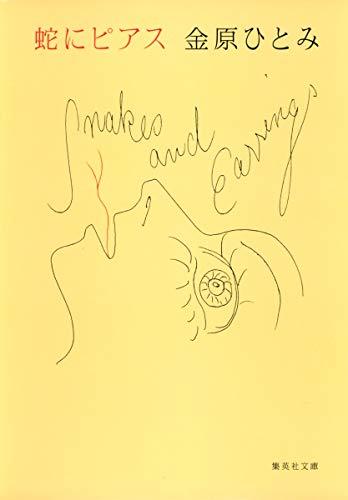
Born in Tokyo in 1983, Kanehara won the Akutagawa Prize at 20 for Snakes and Earrings. She lived in Paris for several years, and her more recent writing explores motherhood, love and life between two cities.
Start with in English
Snakes and Earrings — a young Tokyo woman is drawn into body modification and dangerous relationships. Translated by David James Karashima.
Also in English: Autofiction
What we picked in Japanese
パリの砂漠、東京の蜃気楼
Get your copyRisa Wataya
わたや りさ
綿矢りさ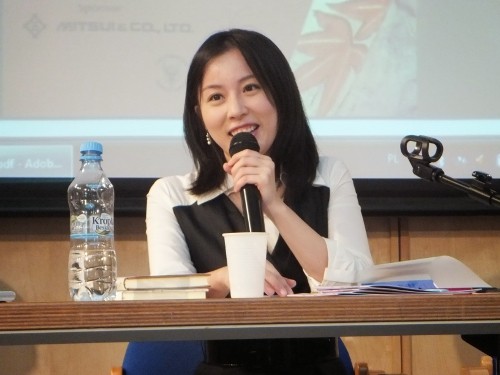
Moeno’s take
Her heroines are bright and strong! Her books are sprinkled with gyaru spirit, the bold, cheerful attitude of Japan’s gal culture, and they leave you full of energy. Lots of books keep you company in your worries, but a book that simply blasts through with brightness can rescue you, too.
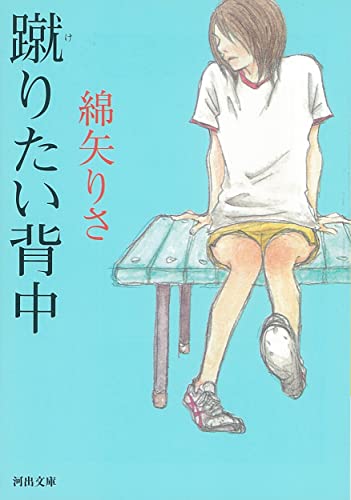
Born in Kyoto in 1984, Wataya became the youngest-ever winner of the Akutagawa Prize at 19, sharing the award with Hitomi Kanehara. Her novels are funny, sharp and painfully honest about being young.
Start with in English
I Want to Kick You in the Back — a lonely high school girl becomes oddly fixated on a classmate obsessed with a fashion model. Translated by Julianne Neville.
What we picked in Japanese
かわいそうだね?
Get your copyPopular in Japan, not yet in English
Honestly, there are far too many wonderful books I’d love to recommend that haven’t been translated yet! These writers are loved in Japan, and I hope the whole world gets to read them one day.
原田マハ(はらだ まは)
Maha Harada
A former museum curator who writes thrilling novels about art and artists. 楽園のカンヴァス (The Canvas of Paradise), a mystery about a painting by Henri Rousseau, won the Yamamoto Shugoro Prize.
朝倉かすみ(あさくら かすみ)
Kasumi Asakura
Clear-eyed, tender novels about ordinary middle age. 平場の月 won the Yamamoto Shugoro Prize, and she won the Naoki Prize in 2026.
寺地はるな(てらち はるな)
Haruna Terachi
Gentle novels that quietly question what is “normal.” 水を縫う, about a boy who loves sewing, won the Kawai Hayao Story Prize.
長月天音(ながつき あまね)
Amane Nagatsuki
Warm stories about food and work. In キッチン常夜灯, a tired young woman finds comfort at a little restaurant that is open all night.
畑野智美(はたの ともみ)
Tomomi Hatano
Funny, bittersweet novels about young people finding their way, starting with her debut, 国道沿いのファミレス.
Japanese women authors: FAQ
Who are the most famous Japanese female authors?
Outside Japan, the best known are Banana Yoshimoto, Sayaka Murata, Mieko Kawakami, Yoko Ogawa, Asako Yuzuki, Mizuki Tsujimura and Yoko Tawada.
What is Butter by Asako Yuzuki about?
A young journalist tries to interview a woman in prison accused of killing the lonely men she seduced with her cooking. The prisoner will only talk about food. My notes on Butter
What should I read after Butter?
Asako Yuzuki’s Hooked, about two women desperate for a friend. If you liked the food, try Banana Yoshimoto’s Kitchen.
Which Sayaka Murata book should I read first?
Convenience Store Woman. It’s short, funny and strange, and it won the Akutagawa Prize.
Which Banana Yoshimoto book should I read first?
Kitchen, her debut. It’s short, tender and still one of the most loved Japanese books abroad.
Which Yoko Ogawa book should I read first?
The Memory Police if you like literary, slightly eerie fiction; The Housekeeper and the Professor if you want something warm.
Which Mieko Kawakami book should I read first?
All the Lovers in the Night is the shortest and most atmospheric; Breasts and Eggs is her best-known novel.
Which Asako Yuzuki book should I read first?
Butter, the international bestseller. If you love it, go straight on to Hooked, about two women desperate for a friend.
Which Mizuki Tsujimura book should I read first?
Lonely Castle in the Mirror. Seven teenagers, a castle behind their mirrors and a year to find a hidden key: it won the Japan Booksellers’ Award and is loved by adults and teens alike.
Which Yoko Tawada book should I read first?
Scattered All Over the Earth, a playful, wildly imaginative novel set after Japan has vanished. The Emissary, which won the U.S. National Book Award for Translated Literature, is a short and haunting alternative.
What is Confessions by Kanae Minato about?
A middle school teacher whose young daughter has died tells her class that two of her students killed the girl, and then sets out to take revenge. It won the Japan Booksellers’ Award in 2009 and was made into a film in 2010.
What is Lonely Castle in the Mirror about?
Seven teenagers who have stopped going to school are drawn through their mirrors into a mysterious castle and given a year to find a key that grants one wish. It won the Japan Booksellers’ Award in 2018 and is read by adults and young readers alike.
Which Riku Onda book should I read first?
Honeybees and Distant Thunder if you love music and big, generous novels; The Aosawa Murders if you want an eerie, literary mystery.
Are any Japanese women writers likely to win the Nobel Prize?
Yoko Tawada and Yoko Ogawa are the names most often mentioned in Japan. More in Japan, Asia and the Nobel Prize in Literature.
Before you go
These writers have little in common, except that each of them shows the Japanese language in a different light. Start with one author, and let her lead you to the next.
May one of these voices
stay with you long after the last page.
More from a Tokyo bookseller
 Japanese Books in English: 12 Best Novels to Start WithThe 12 best Japanese novels to read in English, and where to go next.
 Books Set in Japan: 42 Novels to Read Before Your Trip42 novels set in Japan, mapped by region, with real places to visit on your trip.
 Japanese Literature: Where to StartA Tokyo bookseller’s guide to Japanese literature, sorted by mood: classics, comfort, page-turners and more.
 Japanese Healing Fiction: 9 Cozy NovelsCozy Japanese novels to read when you’re tired, including books like Before the Coffee Gets Cold.
* Publication details are taken from the English-language publishers’ pages and library records. Prices and availability on Amazon may change.
* As an Amazon Associate I earn from qualifying purchases. If you buy through a link on this page, I may earn a small commission at no extra cost to you. The order and selection of books are not influenced by advertising.