

This page contains affiliate links. As an Amazon Associate I earn from qualifying purchases. Every book on this page was chosen because we have read it, not because of the link.
Hi, I’m Moeno, a bookseller in Tokyo.
Japanese literature is having a remarkable moment around the world: cozy novels about libraries and cafés, sharp new women writers, classics finding new readers. I’m thrilled to see so many people discovering the books I grew up with.
But there’s one thing I want to tell you before you start: Japanese people often don’t understand Japanese literature either. And even reading in our mother tongue, we still find ourselves catching our breath at how beautiful the language can be.
It’s hard for us too. And it still takes our breath away.— the motto of this series
So don’t worry about reading it “correctly.” This guide sorts 12 books by what you’re in the mood for, and every one of them is a book we’ve actually read.
We only recommend books we have actually read.
Every book recommended here has been read, start to finish, by me or my fellow booksellers. When I mention a well-known book I haven’t read yet, I mark it Not yet read, and we’d rather tell you that than pretend.

About me|Moeno
I’m a bookseller in my thirties in Japan. During the pandemic, I left my company job and started a small online bookstore devoted to hand-picked books. Today I also have a shop in Ichigaya, Tokyo.
A homestay in Seattle when I was ten made me dream of the world beyond Japan. At twenty I spent a year studying in London; later I worked for a French company, and recently I got married in Paris. I love living in Japan while feeling close to the rest of the world.
That’s why I started this blog: to share the beauty of Japanese literature with as many readers outside Japan as I can. My favorite hobby? Reading wherever I’m traveling.
If you like the books in this article, please subscribe to my YouTube channel, where I talk about books too.
 楽しい本と書店員📖小説ご紹介 / TOKYO BOOKSTORE GIRLS TUBEBooksellers in Tokyo introducing novels that are easy to read and fun to talk about.youtube.com/@chapters.bookstoreSubscribe
- Where to start with Japanese literature: the best Japanese novels by mood
- “I want the classics”
- “I want something comforting”
- “I want beautiful, literary prose”
- “I loved Butter”
- “I want to try Murakami”
- “I want a page-turner”
- “I’m about to travel to Japan”: books set in Japan you can visit
- Japanese literature for beginners: FAQ
- Before you go
- More from a Tokyo bookseller
Where to start with Japanese literature: the best Japanese novels by mood
| Cover | Start with | If you’re thinking… | Get it |
|---|---|---|---|
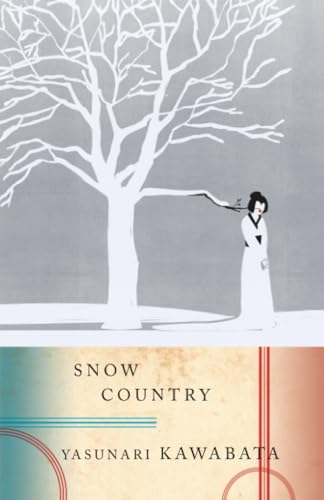 | 01Snow CountryYasunari Kawabata | “I want the classics.” | Get your copy |
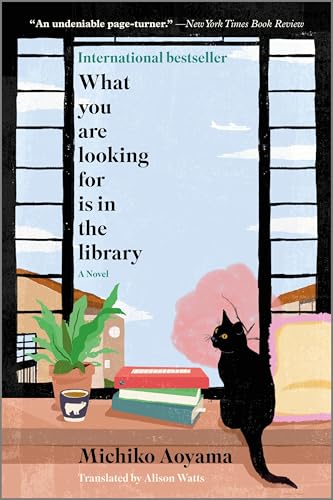 | 04What You Are Looking For Is in the LibraryMichiko Aoyama | “I want something comforting.” | Get your copy |
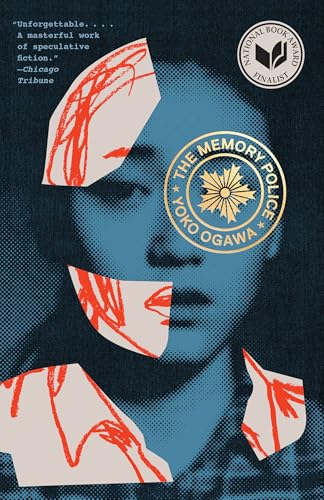 | 06The Memory PoliceYoko Ogawa | “I want beautiful, literary prose.” | Get your copy |
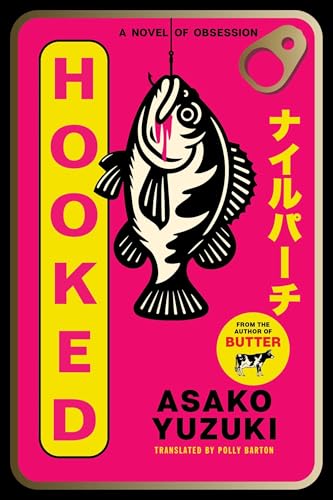 | 08HookedAsako Yuzuki | “I loved Butter.” | Get your copy |
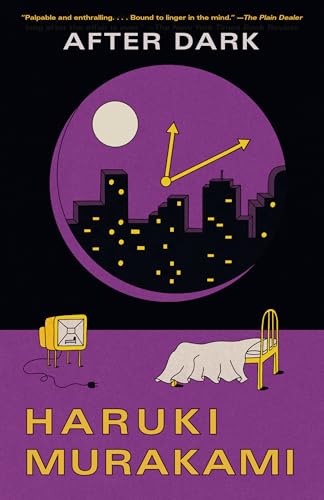 | 09After DarkHaruki Murakami | “I want to try Murakami.” | Get your copy |
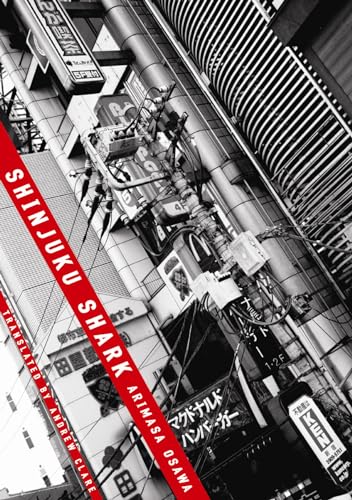 | 10Shinjuku SharkArimasa Osawa | “I want a page-turner.” | Get your copy |
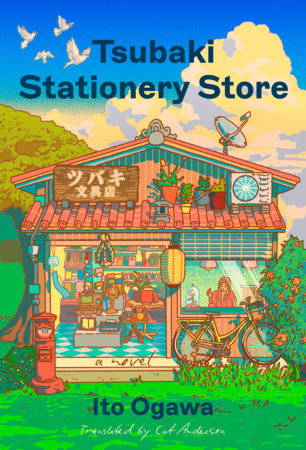 | 05Tsubaki Stationery StoreIto Ogawa | “I’m about to travel to Japan.” | Get your copy |
“I want the classics”
Japanese classics have a reputation for being difficult, and honestly, they are — even for us. These three are the ones I’d suggest first, because each rewards you right away. For the full story of Japan’s Nobel laureates, see Japanese authors and the Nobel Prize in Literature.
Classic · Nobel laureate
Snow Country
Original Japanese title: 雪国(Yasunari Kawabata, 1935〜1948)
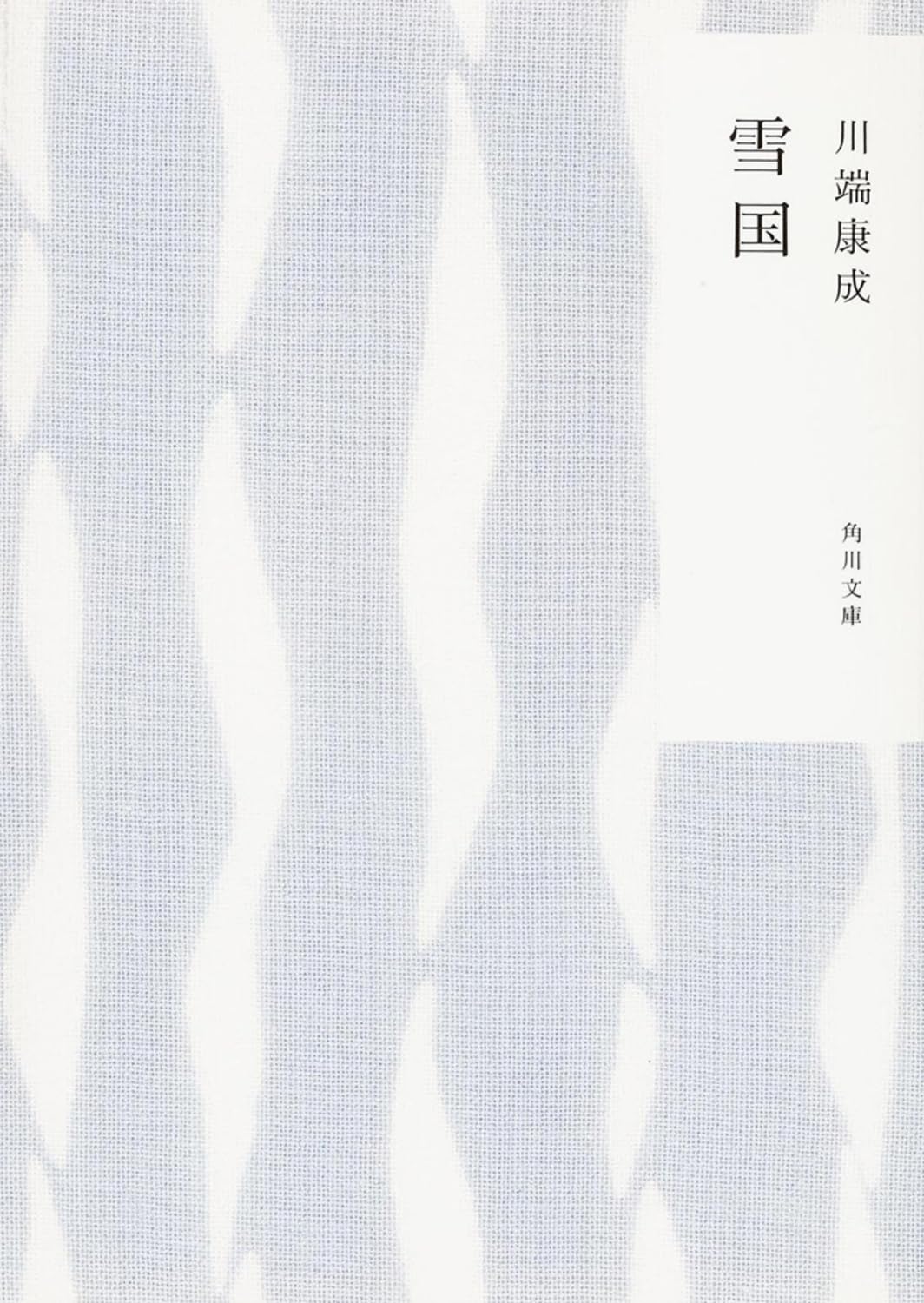
A man from Tokyo keeps returning to a snowbound hot-spring town and to the geisha Komako. Kawabata became Japan’s first Nobel laureate in literature in 1968.
My notesAlmost every Japanese person knows its opening line by heart. It’s a book that tastes completely different when you read it again as an adult. Hard even for Japanese readers, and lovely.
Get your copyClassic · Black comedy
Life for Sale
Original Japanese title: 命売ります(Yukio Mishima, 1968)
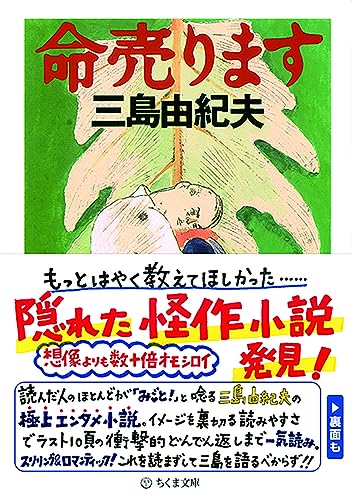
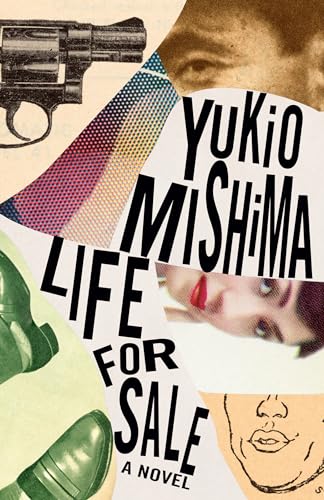
After a failed suicide attempt, a young man advertises his life for sale — and the buyers who answer pull him into one strange job after another.
Why read itIf Mishima sounds intimidating, this is the book that proves otherwise: astonishingly readable and simply fun, and it never feels dated.
Get your copyClassic · Fantasy
Night on the Galactic Railroad
Original Japanese title: 銀河鉄道の夜(Kenji Miyazawa, 1934, posthumous)
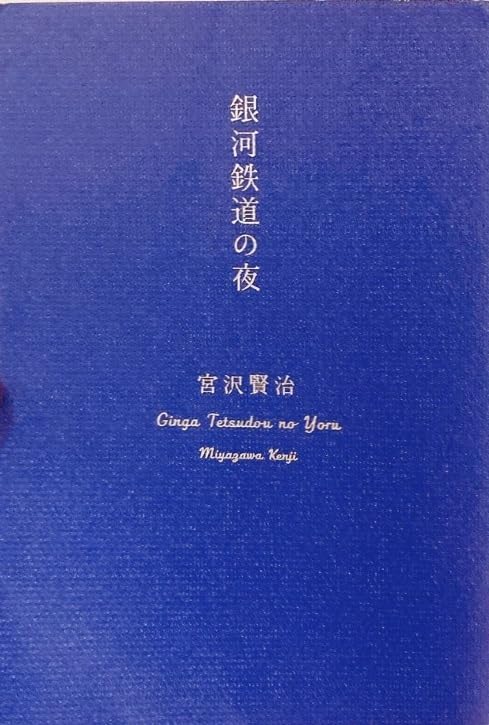
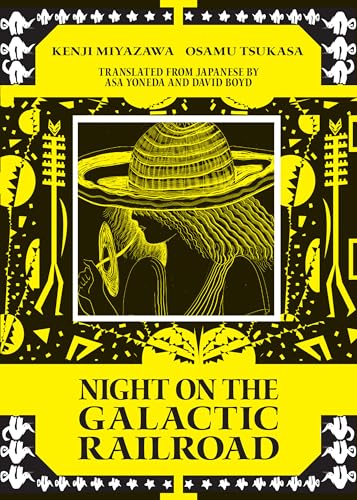
A lonely boy and his best friend ride a train across the Milky Way on the night of a star festival.
My notesMany Japanese children read it at school. I only read it as an adult, and I was surprised something this difficult had been in textbooks. Miyazawa was barely recognized in his lifetime and became famous only after his death — his life is sometimes compared to Van Gogh’s. It’s the kind of book you finish and immediately want to discuss.
Get your copy“I want something comforting”
This is the genre known in English as Japanese healing fiction. I’ve reviewed nine of these in Japanese healing fiction: 9 cozy novels; here are the two I’d start with.
Healing fiction · Library
What You Are Looking For Is in the Library
Original Japanese title: お探し物は図書室まで(Michiko Aoyama, 2020)
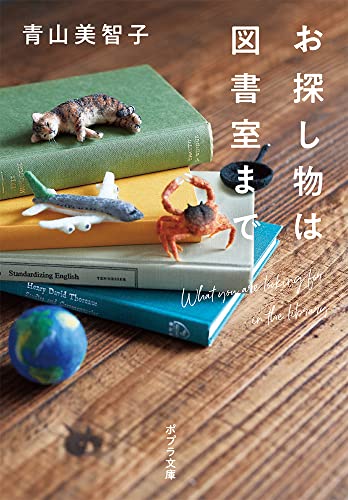
A brusque but brilliant librarian in a small Tokyo community library recommends each struggling visitor an unexpected book.
Why read itThe perfect next read if you loved Before the Coffee Gets ColdNot yet read. It’s everything that’s good about having someone choose a book for you.
Get your copyHealing fiction · Kamakura
Tsubaki Stationery Store
Original Japanese title: ツバキ文具店(Ito Ogawa, 2016)
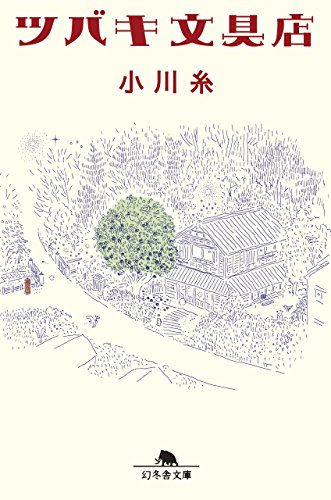
A young woman in Kamakura writes letters for other people, choosing the paper, pen and handwriting for each one.
Why read itMany real Kamakura shops appear in it, and readers in Japan often visit them afterward. Read it before a day trip from Tokyo.
Get your copy“I want beautiful, literary prose”
Some of the most exciting Japanese writers today are women. There’s more in Japanese women writers to read in English.
Literary · Yoko Ogawa
The Memory Police
Original Japanese title: 密やかな結晶(Yoko Ogawa, 1994)
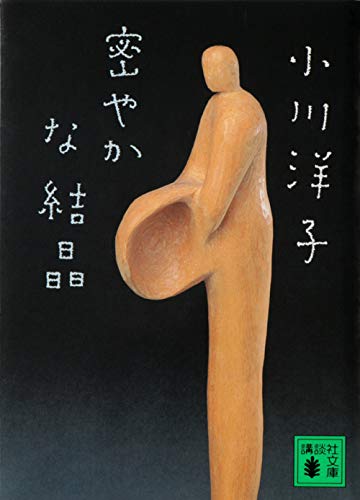
On an island where objects — and the memory of them — quietly disappear, a novelist hides her editor from the Memory Police.
My notesEven reading in Japanese, Ogawa’s language is so beautiful it makes us nervous, like words gliding on ice that might melt. A finalist for the International Booker Prize.
Get your copyLiterary · Tokyo at night
All the Lovers in the Night
Original Japanese title: すべて真夜中の恋人たち(Mieko Kawakami, 2011)
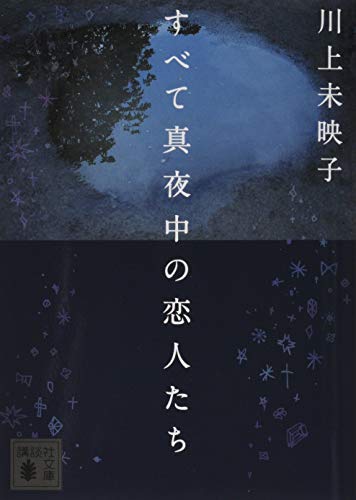
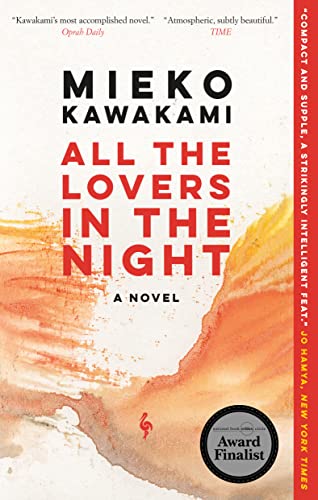
A lonely proofreader in Tokyo whose one pleasure is walking alone through the city on her birthday night.
Why read itFew novels suit a city night sky like this one. By the author of Breasts and EggsNot yet read.
Get your copy“I loved Butter”
Asako Yuzuki’s Butter brought many new readers to Japanese fiction. Her next novel in English is just as addictive.
Dark comedy · Asako Yuzuki
Hooked
Original Japanese title: ナイルパーチの女子会(Asako Yuzuki, 2015)
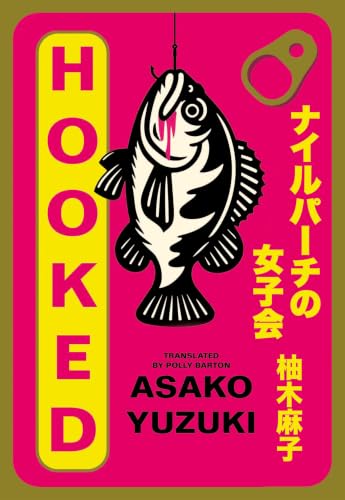
Two women with no friends at all — an elite office worker and a housewife blogger — meet once at a late-night family restaurant, and both their lives start to unravel.
Why read itTheir need for approval goes completely off the rails, and you can’t quite laugh it off. Devilishly addictive.
Get your copy“I want to try Murakami”
Haruki Murakami is the name most people know. I’ve put together a full reading order in where to start with Haruki Murakami; if you want just one short book to test the water, try this.
Murakami · One night in Tokyo
After Dark
Original Japanese title: アフターダーク(Haruki Murakami, 2004)
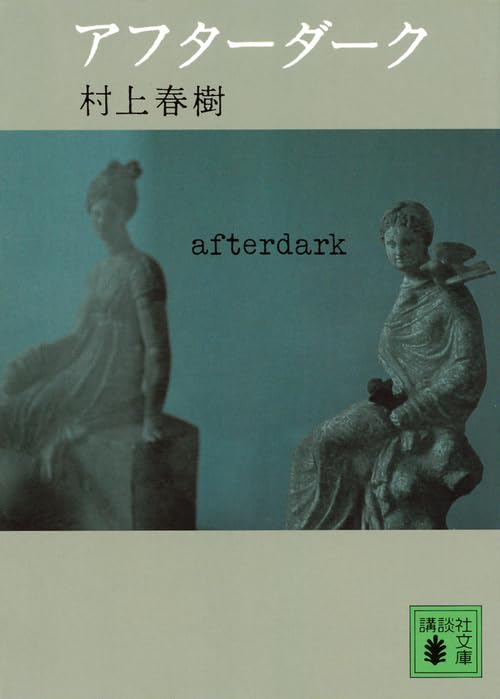
From just before midnight until dawn, a young woman reading in a Tokyo Denny’s crosses paths with the city’s night people.
My notesThe contrast between the fluorescent light of a Denny’s at night and Murakami’s dreamlike prose is almost too beautiful. One of his shortest novels.
Get your copy“I want a page-turner”
Crime · Shinjuku · Hard-boiled
Shinjuku Shark
Original Japanese title: 新宿鮫(Arimasa Osawa, 1990)
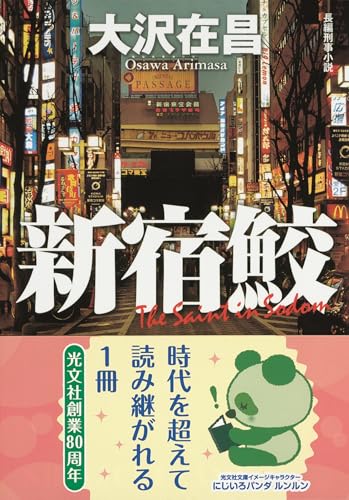
In Shinjuku’s Kabukicho, police officers are being shot one after another. While his colleagues chase the killer, one lone detective, feared under a certain nickname, hunts the man making the guns.
Why read itA hard-boiled crime novel that captures Tokyo at full intensity. The gunfight near the end is so vivid you’ll hold your breath. After reading it, you’ll walk through Shinjuku a little more nervously.
Get your copySports · Coming of age · Hakone
Run with the Wind
Original Japanese title: 風が強く吹いている(Shion Miura, 2006)
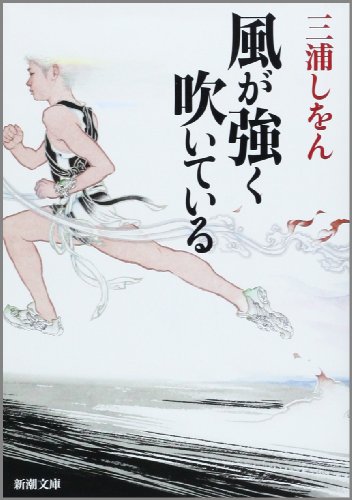
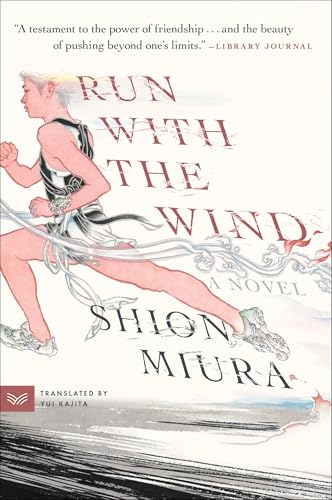
A gifted runner who is sick of running is talked into joining a ragtag university team — most of whom have barely run before — with an impossible goal: the Hakone Ekiden, Japan’s most famous relay race.
Why read itThe team’s silly daily life will make you laugh, and when each runner tells his own story, you’ll find yourself cheering out loud. The final race stays with you for years.
Get your copyWork · Words
The Great Passage
Original Japanese title: 舟を編む(Shion Miura, 2011)
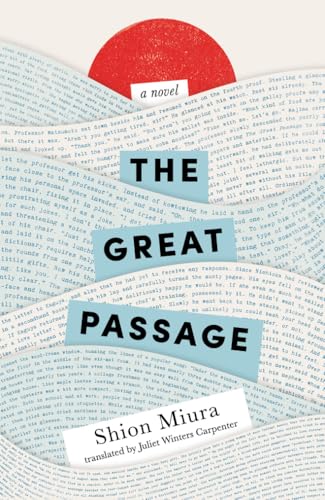
A shy young man with a gift for words joins a publisher’s dictionary team and spends years making one dictionary.
Why read itA love letter to words, and to patient work. Winner of the 2012 Japan Booksellers’ Award.
Get your copy“I’m about to travel to Japan”: books set in Japan you can visit
Reading books set in Japan before you visit is one of the best ways to travel. Here are the settings of books from this series. For the full travel guide, with 42 novels mapped by region, a globe and a 7-day itinerary, see Books Set in Japan: 42 Novels for Your Trip.
| Place | Book |
|---|---|
| Kamakura | Tsubaki Stationery Store |
| Shinjuku, Tokyo | Shinjuku Shark |
| Tokyo at night | After Dark · All the Lovers in the Night |
| Hakone | Run with the Wind |
| Kansai (Takarazuka–Nishinomiya) | The Passengers on the Hankyu Line |
| Izu Peninsula | The Dancing Girl of Izu |
| Nagasaki | A Pale View of Hills (Kazuo Ishiguro) |
Japanese literature for beginners: FAQ
Where should I start with Japanese literature?
Start with your mood rather than a “best of” list. For comfort, try What You Are Looking For Is in the Library; for a classic, Life for Sale; for literary fiction, The Memory Police.
What is the easiest Japanese novel for beginners?
Linked-story novels are the easiest way in, because you can read one chapter at a time. What You Are Looking For Is in the Library and Tsubaki Stationery Store are both good choices.
Is Kazuo Ishiguro Japanese?
He was born in Nagasaki in 1954 and moved to England at five. He is a British writer who writes in English. I explain more in Japan, Asia and the Nobel Prize in Literature.
Is Japanese literature hard to read, even for Japanese people?
Honestly, yes — especially the classics. Many of us first meet them in school and only come to love them as adults. You don’t need to understand everything to enjoy them.
What Japanese books should I read before visiting Japan?
Choose by destination: Tsubaki Stationery Store for Kamakura, Shinjuku Shark for Shinjuku, Run with the Wind for Hakone, The Passengers on the Hankyu Line for Kansai, and A Pale View of Hills for Nagasaki.
What is the best Japanese novel of all time?
There’s no single answer, even among Japanese readers. Titles you’ll hear again and again include Kawabata’s Snow Country, Murakami’s Norwegian Wood and Banana Yoshimoto’s Kitchen. If you want one place to begin, choose by mood using the table at the top of this page.
What are good Japanese books for English readers?
Look for books with a strong, simple premise and short chapters: healing fiction like What You Are Looking For Is in the Library, contemporary novels like The Memory Police, or a short classic like Life for Sale. Every book on this page is available in English.
Who are the most famous Japanese authors?
Internationally, Haruki Murakami, Yasunari Kawabata, Yukio Mishima and Kenzaburō Ōe are the best-known names, along with contemporary writers such as Yoko Ogawa, Mieko Kawakami and Sayaka Murata.
Are these Japanese novels available in English?
Yes. Every book on this page has an English translation, and you can find each one on Amazon through the links here.
Before you go
Without a doubt, it’s Japanese literature that makes me think, even as a native speaker, “What a lovely language Japanese is.”
I hope one of these books gives you a little of that feeling too, in whatever language you read it.
It’s hard for us too.
And it still takes our breath away.
More from a Tokyo bookseller
 Japanese Books in English: 12 Best Novels to Start WithThe 12 best Japanese novels to read in English, and where to go next.
 Books Set in Japan: 42 Novels to Read Before Your Trip42 novels set in Japan, mapped by region, with real places to visit on your trip.
 Japanese Healing Fiction: 9 Cozy NovelsCozy Japanese novels to read when you’re tired, including books like Before the Coffee Gets Cold.
 Japanese Women Authors: 27 Writers to Read in EnglishAsako Yuzuki, Yoko Ogawa, Mieko Kawakami, Yoko Tawada and 23 more Japanese women authors, with the book to start with.
* Publication details are taken from the English-language publishers’ pages and library records. Prices and availability on Amazon may change.
* As an Amazon Associate I earn from qualifying purchases. If you buy through a link on this page, I may earn a small commission at no extra cost to you. The order and selection of books are not influenced by advertising.